✓ Germany's focus on vocational training makes corporate programs highly effective.
✓ Customized training solutions yield significantly higher ROI.
✓ Digitalization and sustainability are key trends in German corporate learning.
✓ Employee retention improves dramatically with robust training initiatives.
How It Works
1
Needs Assessment & Consultation
We begin by thoroughly understanding your organization's unique challenges, strategic goals, and current skill gaps. Our experts conduct in-depth consultations with key stakeholders.
2
Custom Program Design
Based on the assessment, we craft a bespoke training curriculum tailored precisely to your needs, incorporating relevant industry trends and adult learning principles for maximum impact.
3
Expert Delivery & Engagement
Our certified trainers, often industry veterans, deliver engaging and interactive sessions, utilizing a blend of practical exercises, case studies, and modern pedagogical approaches.
4
Evaluation & Continuous Improvement
Post-training, we measure effectiveness through various metrics, providing detailed reports and recommendations for continuous improvement and sustained skill development within your organization.
The Imperative of Effective Workforce Development in Germany
Photo: Kampus Production / Pexels
In today's rapidly evolving global economy, particularly within the highly competitive and technologically advanced landscape of Germany, the strategic importance of robust corporate training programs DE cannot be overstated. German businesses, from Mittelstand companies to large multinational corporations, face a constant need to adapt to new technologies, changing market demands, and a workforce that requires continuous skill enhancement. The concept of 'lifelong learning' is deeply embedded in German professional culture, making investment in employee development not just a benefit, but a fundamental pillar of sustainable success.
The German economy thrives on innovation, precision, and efficiency. To maintain this edge, companies must ensure their employees possess the most current and relevant skills. This includes not only technical proficiencies related to Industry 4.0, artificial intelligence, and digitalization but also crucial soft skills such as leadership, agile methodologies, intercultural competence, and effective communication. The demographic shift in Germany also presents unique challenges and opportunities, with an aging workforce necessitating knowledge transfer and the integration of younger talent requiring tailored development paths. Without proactive investment in corporate training, companies risk skills gaps, reduced productivity, decreased employee morale, and ultimately, a loss of competitive advantage.
Furthermore, the German labor market is characterized by strong employee protections and a high value placed on professional development. Offering comprehensive and high-quality training programs significantly boosts employee satisfaction and retention, reducing the costs associated with recruitment and onboarding. It signals to employees that they are valued assets, fostering a culture of growth and loyalty. For businesses operating in Germany, understanding these nuances and leveraging expert-led corporate training programs DE is not merely a reactive measure but a proactive strategic investment in their future. It's about building a resilient, adaptable, and highly skilled workforce ready to tackle tomorrow's challenges. Companies looking to gain a competitive edge often turn to specialized corporate learning solutions to address these complex needs effectively.
Tailoring Training for German Business Excellence
One of the critical success factors for corporate training programs in Germany is their ability to be meticulously tailored to the specific needs and cultural context of German organizations. A one-size-fits-all approach rarely yields optimal results. German companies often operate with a strong emphasis on structure, quality, and a consensus-driven decision-making process. Therefore, training programs must reflect these values, offering clear learning objectives, practical applications, and a focus on measurable outcomes. Customization extends beyond merely translating content; it involves understanding industry-specific regulations (e.g., in automotive, engineering, or finance), local labor laws, and the prevailing management styles.
For instance, a program focusing on leadership development might emphasize coaching and delegation techniques that align with German management philosophies, which often prioritize expertise and structured problem-solving. Similarly, training on digitalization might delve into specific German data protection laws (DSGVO) and the practical implementation of digital tools within a German operational context. The German dual education system, which combines vocational schooling with apprenticeships, also shapes expectations regarding practical relevance and hands-on learning in corporate training. Effective programs integrate these elements, ensuring that employees can immediately apply newly acquired skills in their daily work. This practical orientation is paramount for acceptance and success.
Moreover, the diverse industrial landscape of Germany—from high-tech manufacturing in Baden-Württemberg to financial services in Frankfurt and creative industries in Berlin—demands a flexible and adaptable approach to training. A program designed for a small engineering firm in Bavaria will likely differ significantly from one for a large e-commerce company in Hamburg. Expert providers of corporate training programs DE invest time in detailed needs analyses, engaging with management and employees to identify precise skill gaps and strategic priorities. This bespoke approach ensures that every training euro spent translates into tangible improvements in performance, innovation, and employee engagement, solidifying the company's position in the market.
Key Trends and Future-Proofing with German Corporate Learning
The landscape of corporate training programs DE is continually evolving, driven by global megatrends and specific German economic priorities. Staying abreast of these trends is crucial for companies aiming to future-proof their workforce and maintain a competitive edge. One of the most dominant trends is the accelerating pace of digitalization. This isn't just about software skills; it encompasses digital literacy, cybersecurity awareness, data analytics capabilities, and the adoption of AI-powered tools across all business functions. Training in these areas is no longer optional but a core requirement for nearly every employee, from entry-level to senior management. German industry's push towards Industry 4.0, with its focus on interconnected systems and automation, further underscores the need for advanced digital skills.
Another significant trend is sustainability and ESG (Environmental, Social, and Governance) compliance. German companies are increasingly committed to sustainable practices, driven by both regulatory pressures and consumer demand. Corporate training in this domain involves educating employees on sustainable production methods, circular economy principles, ethical supply chain management, and the reporting requirements associated with ESG criteria. This not only helps companies meet their environmental and social responsibilities but also enhances their brand reputation and attracts talent who value purpose-driven work.
Furthermore, the shift towards agile working methodologies, remote and hybrid work models, and a greater emphasis on employee well-being are shaping modern training approaches. Programs now often incorporate modules on remote team leadership, virtual collaboration tools, stress management, and resilience. The move towards blended learning, combining online modules with in-person workshops, is also gaining traction, offering flexibility and catering to diverse learning styles. Companies seeking comprehensive solutions often look for integrated learning platforms that can deliver and track these varied training initiatives. By strategically investing in training that addresses these current and emerging trends, German businesses can ensure their workforce remains highly skilled, adaptable, and prepared for the challenges and opportunities of the future, fostering a culture of continuous innovation and growth.
Choosing the Right Corporate Training Partner in Germany: Tips & Mistakes to Avoid
Selecting the ideal partner for your corporate training programs DE is a critical decision that can significantly impact the success and ROI of your investment. It's not just about finding a provider; it's about identifying a strategic ally who understands your business, your industry, and the unique cultural nuances of the German market. Here are essential tips for making the right choice and common mistakes to avoid:
**Tips for Success:**
* **Deep Dive into Needs Analysis:** Insist on a partner who conducts a thorough pre-assessment of your specific organizational needs, skill gaps, and strategic objectives. Generic programs rarely yield optimal results.
* **Proven German Market Expertise:** Choose providers with demonstrable experience delivering training within Germany, understanding local regulations, work culture, and business practices.
* **Customization Capabilities:** Look for flexibility in program design. The best partners can tailor content, delivery methods, and case studies to your exact requirements.
* **Trainer Quality and Relevance:** Inquire about the trainers' qualifications, industry experience, and their ability to engage a German audience effectively. Practical experience is highly valued.
* **Measurement and Evaluation:** A good partner will offer clear metrics for success, post-training evaluation, and demonstrate how they measure ROI.
* **Blended Learning Options:** Consider providers offering a mix of online, in-person, and hybrid formats to cater to diverse learning preferences and logistical constraints.
* **References and Case Studies:** Request references from similar German companies and review their success stories.
**Mistakes to Avoid:**
* **Prioritizing Cost Over Quality:** While budget is important, choosing the cheapest option often leads to ineffective training and wasted resources.
* **Ignoring Cultural Fit:** A provider unfamiliar with German corporate culture might deliver programs that don't resonate with your employees, leading to disengagement.
* **Lack of Clear Objectives:** Entering a training partnership without clearly defined goals makes it impossible to measure success or justify the investment.
* **Underestimating Internal Buy-in:** Failing to involve key stakeholders and employees in the planning phase can lead to resistance and poor participation.
* **No Follow-up or Reinforcement:** Training is not a one-time event. Neglecting post-training support or reinforcement activities diminishes long-term impact.
* **Generic Content:** Relying on off-the-shelf programs that aren't adapted to your specific industry or company context.
* **Overlooking Scalability:** If you plan to expand training across different departments or locations, ensure the provider can scale their services effectively.
By following these guidelines, German companies can navigate the selection process more effectively, ensuring their investment in corporate training programs DE delivers maximum value and contributes significantly to their long-term success.
Comparison
Feature
Custom In-house Training
External Public Courses
Online Learning Platforms
Blended Learning Approach
Customization
High
Low
Medium
High
Cost per Employee
Variable (High for small groups)
Medium
Low
Medium
Relevance to DE Culture
High
Variable
Low to Medium
High
Flexibility & Schedule
High
Low
High
High
Networking Opportunities
Low (internal)
High
Low
Medium
Measurable ROI
High
Medium
Medium
High
Trainer Interaction
High
High
Low to Medium
High
Scalability
Medium
High
High
Medium
What Readers Say
★★★★★
"Our experience with corporate training programs DE was transformative. The leadership development course was perfectly tailored to our German engineering culture, resulting in a noticeable improvement in team collaboration and project efficiency. Highly recommend their bespoke solutions."
Dr. Lena Schmidt · Munich, Germany
★★★★★
"The digitalization training provided by this team was exceptional. Our employees, from diverse age groups, found the content engaging and directly applicable. We've seen a significant boost in digital literacy across the board."
Jörg Müller · Hamburg, Germany
★★★★★
"We needed specialized compliance training for our finance division. The program was not only comprehensive but also delivered with deep knowledge of German regulations. This led to 100% compliance across all relevant departments and reduced audit risks."
Sabine Richter · Frankfurt, Germany
★★★★★
"The agile project management course was very insightful, though a few modules felt slightly less relevant to our specific industry. However, the trainers were excellent, and the overall impact on our team's productivity was undeniably positive. We appreciate the follow-up support."
Andreas Weber · Stuttgart, Germany
★★★★★
"As a growing tech startup, we needed flexible and impactful training in intercultural communication. The corporate training programs DE team delivered a fantastic workshop that significantly improved our international team's cohesion and effectiveness. Truly a game-changer for us."
Katrin Bauer · Berlin, Germany
Frequently Asked Questions
What are the most popular corporate training programs DE for German companies?
Currently, the most sought-after corporate training programs in Germany focus on digitalization (Industry 4.0, AI, data analytics), leadership development (especially agile leadership), sustainability and ESG, and soft skills like intercultural communication and resilience. These areas address key challenges and opportunities in the German market.
How can I ensure the training is culturally relevant for my German employees?
To ensure cultural relevance, choose a provider with proven experience in the German market. They should understand German work ethics, communication styles, and legal frameworks. Look for trainers who are either German or have extensive experience delivering training in Germany, and ensure content includes German-specific case studies or examples.
What is the typical process for implementing corporate training programs DE?
The typical process involves a comprehensive needs analysis to identify skill gaps and objectives, followed by custom program design. Next, the training is delivered by expert trainers, often using a blended learning approach. Finally, post-training evaluation and follow-up are conducted to measure effectiveness and ensure sustained impact.
What is the return on investment (ROI) for corporate training programs in Germany?
While ROI varies, well-designed corporate training programs in Germany typically yield significant returns through increased productivity, reduced employee turnover, enhanced innovation, improved compliance, and a stronger employer brand. Measurable outcomes often include higher employee engagement scores, better project completion rates, and reduced errors.
How do corporate training programs in Germany compare to those in other European countries?
German corporate training programs often place a higher emphasis on practical application, technical depth, and structured learning, reflecting the country's strong vocational training traditions. There's also a significant focus on quality, precision, and long-term skill development compared to some other European countries, which might prioritize shorter, more generalized courses.
Who should participate in corporate training programs DE?
Corporate training programs in Germany are beneficial for all levels of employees, from new hires needing foundational skills to senior executives requiring advanced leadership or strategic development. Specialized programs cater to specific departments (e.g., IT, sales, HR) or roles, ensuring everyone has access to relevant growth opportunities.
Are there any specific legal considerations for corporate training programs DE?
Yes, legal considerations in Germany include compliance with works council (Betriebsrat) co-determination rights regarding training initiatives, data protection regulations (DSGVO) for participant data, and adherence to labor laws regarding working hours during training. It's crucial to work with providers who are knowledgeable about these German specific legal aspects.
What future trends will impact corporate training programs DE?
Future trends impacting corporate training in Germany include the pervasive integration of Artificial Intelligence in learning, the rise of personalized learning paths, microlearning for on-demand skill development, a stronger emphasis on ethical AI and data governance, and training for resilience and mental well-being in a rapidly changing work environment.
Ready to empower your workforce and drive your business forward in Germany? Invest in premium corporate training programs DE tailored to your unique needs. Contact us today for a consultation and discover how our expert-led solutions can transform your team's potential into tangible success.

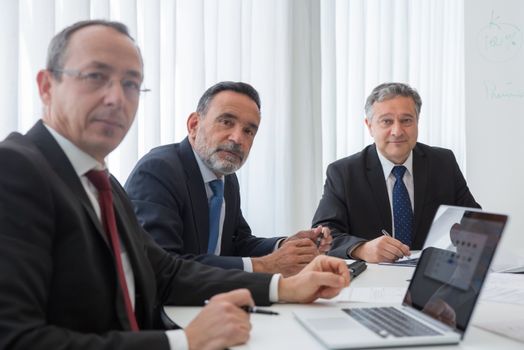 Photo: Kampus Production / Pexels