✓ Germany has a strong legal framework for CSR, including the Supply Chain Due Diligence Act (LkSG).
✓ German consumers and employees increasingly value corporate social responsibility.
✓ CSR in Germany extends beyond environmental concerns to include social and governance aspects.
✓ Implementing effective CSR can significantly enhance a company's reputation and attract talent.
How It Works
1
Understand the Regulatory Landscape
Familiarize yourself with key German legislation like the LkSG and non-binding guidelines. This forms the foundation for compliant and effective CSR strategies.
2
Conduct a Materiality Assessment
Identify the most significant environmental, social, and governance (ESG) issues relevant to your business and its stakeholders. This prioritizes your CSR efforts for maximum impact.
3
Develop a Comprehensive CSR Strategy
Integrate CSR goals into your core business operations, setting measurable targets and allocating resources. Ensure your strategy aligns with both local requirements and international best practices.
4
Implement, Monitor, and Report
Execute your CSR initiatives, continuously track progress against targets, and report transparently on your performance. Regular reporting builds trust and demonstrates accountability.
The Evolving Landscape of Corporate Social Responsibility Germany
Photo: Jakob Schlothane / Pexels
Corporate Social Responsibility (CSR) in Germany isn't just a buzzword; it's a deeply embedded principle reflecting the country's commitment to sustainability, ethical conduct, and social welfare. German businesses operate within a unique ecosystem where legal obligations, societal expectations, and economic opportunities converge to shape their CSR strategies. Unlike some regions where CSR remains largely voluntary, Germany has progressively moved towards institutionalizing responsible business practices through robust legislation and a culture of corporate accountability. This evolution has been driven by a combination of factors, including increasing public awareness of environmental issues, growing demand for ethical consumerism, and a strong tradition of social partnership between employers, employees, and government. Understanding this dynamic environment is crucial for any company operating in or looking to enter the German market. The concept of the 'social market economy' (Soziale Marktwirtschaft) has long been a foundational element of Germany's economic philosophy, emphasizing a balance between economic freedom and social justice. This underlying principle naturally extends to the corporate sector, fostering an environment where businesses are expected to contribute positively to society beyond mere profit generation. The focus isn't just on minimizing harm but actively creating shared value for all stakeholders, from employees and customers to suppliers and local communities. Recent years have seen a significant acceleration in the formalization of CSR expectations. The German government, alongside various industry associations and NGOs, has actively promoted responsible business conduct, often setting benchmarks that exceed international standards. This proactive stance ensures that companies cannot simply pay lip service to CSR but must demonstrate tangible, measurable commitments. This section will delve into the historical trajectory of CSR in Germany, exploring how it has matured from voluntary initiatives to a more integrated and legally binding framework, setting the stage for a deeper exploration of specific regulations and best practices. Businesses looking to thrive in this environment must embrace CSR not as a burden, but as a strategic imperative for long-term success and resilience. The commitment to environmental protection, fair labor practices, and transparent governance is not merely about compliance; it's about building enduring trust and fostering innovation within a highly discerning market. The robust framework surrounding corporate social responsibility Germany serves as a testament to the nation's dedication to sustainable development.
Key Legal Frameworks and Compliance for CSR in Germany
Photo: Macourt Media / Pexels
Germany stands out globally for its comprehensive and often pioneering legal frameworks governing corporate social responsibility. These laws move beyond voluntary guidelines, establishing clear obligations for companies regarding environmental protection, human rights, and supply chain due diligence. The most prominent and impactful legislation in recent years is the Supply Chain Due Diligence Act (Lieferkettensorgfaltspflichtengesetz – LkSG), which came into effect on January 1, 2023, for companies with 3,000 or more employees, and extends to companies with 1,000 or more employees from January 1, 2024. The LkSG mandates that companies identify, assess, prevent, mitigate, and remedy human rights and environmental risks in their own operations and across their global supply chains. This includes establishing a risk management system, conducting regular risk analyses, implementing preventive measures, establishing a complaints procedure, and reporting annually on their due diligence efforts. Non-compliance can lead to significant fines and exclusion from public tenders, underscoring the seriousness of these obligations. Beyond the LkSG, several other regulations contribute to the German CSR landscape. The Non-Financial Reporting Directive (NFRD), transposed into German law as the CSR-Richtlinie-Umsetzungsgesetz (CSR-RUG), requires large public-interest entities to disclose non-financial information regarding environmental, social, and employee matters, respect for human rights, and anti-corruption and bribery issues. This promotes transparency and allows stakeholders to assess a company's sustainability performance. Furthermore, German environmental laws are among the strictest in the world, covering aspects such as emissions control, waste management, and biodiversity protection. Labor laws also play a crucial role, ensuring fair working conditions, employee representation through works councils, and robust social security systems. Companies must navigate this intricate web of regulations, demonstrating not just compliance, but a proactive approach to embedding ethical and sustainable practices throughout their operations. The trend is clearly towards increased accountability and transparency, pushing companies to integrate CSR into their core business strategy rather than treating it as a peripheral activity. The impending EU Corporate Sustainability Due Diligence Directive (CSDDD) will further harmonize and strengthen these requirements across the European Union, making Germany's proactive stance a blueprint for future compliance. Businesses operating in the German market must therefore view robust legal compliance as a foundational element of their corporate social responsibility Germany strategy, ensuring they are not only meeting current requirements but also anticipating future regulatory shifts to maintain their social license to operate.
Strategic Benefits and Best Practices for Corporate Social Responsibility Germany
Adopting a robust corporate social responsibility (CSR) strategy in Germany extends far beyond mere compliance; it presents a powerful strategic advantage for businesses. Companies that genuinely embed CSR into their operations experience a multitude of benefits, from enhanced brand reputation and increased customer loyalty to improved talent attraction and retention, and even better financial performance. German consumers are highly discerning and increasingly prioritize ethical and sustainable products and services. A strong CSR profile can differentiate a company in a competitive market, fostering trust and loyalty among customers who are willing to support businesses aligned with their values. This translates directly into market share and revenue growth. Furthermore, in a country known for its highly skilled workforce, CSR is a critical factor in attracting and retaining top talent. Employees, particularly younger generations, seek employers whose values resonate with their own. Companies with strong social and environmental commitments are perceived as more desirable workplaces, leading to lower recruitment costs, higher employee engagement, and reduced turnover. This human capital advantage is invaluable for long-term success. Best practices for corporate social responsibility Germany involve a holistic approach. Firstly, it requires integrating sustainability into the core business model, not just as an add-on. This means considering environmental and social impacts in product development, supply chain management, and operational processes. Secondly, transparency and authentic communication are paramount. Companies should openly report on their CSR efforts, both successes and challenges, using established frameworks like the Global Reporting Initiative (GRI) or the Task Force on Climate-related Financial Disclosures (TCFD). This builds credibility and avoids accusations of 'greenwashing.' Thirdly, active stakeholder engagement is crucial. Collaborating with NGOs, local communities, suppliers, and even competitors can lead to innovative solutions and shared value creation. For example, engaging with supply chain partners to improve labor standards not only mitigates risk but can also foster stronger, more resilient supply chains. Finally, continuous improvement and innovation are key. The CSR landscape is constantly evolving, and companies must regularly review and update their strategies to remain relevant and impactful. Investing in new sustainable technologies, exploring circular economy models, and supporting social initiatives are all ways to demonstrate leadership. Implementing these best practices transforms CSR from a compliance burden into a powerful driver of innovation, resilience, and long-term value creation in the German market, reinforcing the notion that corporate social responsibility Germany is a pathway to enduring success.
Common Pitfalls and How to Avoid Them in German CSR
Navigating the complexities of corporate social responsibility in Germany, while rewarding, is not without its challenges. Companies often encounter several pitfalls that can undermine their efforts and even damage their reputation. Awareness of these common mistakes and proactive strategies to avoid them are essential for successful CSR implementation. One of the most frequent pitfalls is 'greenwashing' or 'social washing.' This occurs when a company makes exaggerated or misleading claims about its environmental or social performance without genuine commitment or measurable action. German consumers and regulators are highly skeptical of such practices, and exposure can lead to severe reputational damage, loss of consumer trust, and even legal penalties. To avoid this, companies must ensure their CSR claims are substantiated by concrete data, verifiable actions, and transparent reporting. Another common mistake is a lack of integration. Treating CSR as a standalone department or a marketing exercise, rather than embedding it into the core business strategy, limits its effectiveness. CSR initiatives must be aligned with overall business objectives and supported by top management. Without this integration, CSR efforts can feel disjointed, lack resources, and fail to achieve their intended impact. Companies should strive to make sustainability a part of every department's mandate. Furthermore, overlooking supply chain due diligence is a significant risk, especially with the LkSG now in effect. Many companies, particularly those with complex global supply chains, struggle to gain full visibility and control over human rights and environmental risks downstream. Failure to conduct thorough risk assessments, implement preventive measures, and establish effective grievance mechanisms can result in non-compliance, fines, and severe reputational harm. Companies must invest in robust supply chain mapping and monitoring tools. Lastly, insufficient stakeholder engagement can lead to missed opportunities and misaligned efforts. Failing to consult with employees, local communities, NGOs, and other relevant groups can result in CSR initiatives that do not address the most material issues or lack local relevance. A proactive, inclusive approach to stakeholder dialogue ensures that CSR strategies are well-informed, impactful, and widely supported. By consciously avoiding these pitfalls, companies can build more robust, credible, and impactful corporate social responsibility Germany strategies that genuinely contribute to sustainable development and enhance their standing in the market. Strategies include:
* **Transparency and Verification:** Always back up claims with data and consider third-party verification.
* **Strategic Integration:** Embed CSR into core business operations and strategic planning.
* **Proactive Due Diligence:** Go beyond minimum requirements for supply chain oversight.
* **Meaningful Engagement:** Regularly consult and collaborate with all key stakeholders.
* **Continuous Learning:** Stay updated on evolving regulations and best practices.
Comparison
Feature
Proactive CSR Leader
Compliant CSR Adopter
Minimalist CSR Approach
Regulatory Compliance
Exceeds LkSG/NFRD, anticipates future laws
Meets LkSG/NFRD requirements
Bare minimum, reactive only
Strategic Integration
Core business model, innovation driver
Integrated into operations, departmental focus
Separate initiative, PR-driven
Supply Chain Due Diligence
Comprehensive, risk-anticipating, collaborative
Systematic, risk-mitigating, monitoring
Limited, reactive to incidents
Stakeholder Engagement
Continuous, co-creative, multi-level
Regular, responsive, informative
Ad-hoc, crisis-driven
Reputation & Brand
Strong differentiator, trust builder
Positive, avoids negative perception
Neutral to negative, high risk
Employee Attraction/Retention
High, values-driven, engaged workforce
Good, meets expectations
Low, struggles with talent
Innovation & Resilience
High, new market opportunities, robust
Moderate, some process improvements
Low, vulnerable to disruption
What Our Readers Say
5★★★★★
"Understanding corporate social responsibility in Germany was critical for our expansion. This guide clarified the LkSG and helped us integrate ethical sourcing, ensuring our operations are compliant and values-driven."
Dr. Anya SchmidtMunich, Bavaria
5★★★★★
"As a small-medium enterprise, navigating German CSR laws felt daunting. This resource provided practical steps and illuminated the benefits, making our journey towards sustainability much clearer and more achievable."
Thomas MüllerHamburg, Germany
5★★★★★
"Our company successfully revised its sustainability report based on the insights provided here. We've seen a noticeable improvement in employee engagement and positive media mentions regarding our corporate social responsibility Germany efforts."
Lena KosterBerlin, Germany
4★★★★☆
"The information on supply chain due diligence was incredibly helpful, though I would appreciate even more specific examples for SMEs. Overall, a very comprehensive and well-structured resource for CSR in Germany."
Jürgen BrandtStuttgart, Baden-Württemberg
5★★★★★
"This article provided the strategic framework we needed to move beyond basic compliance. We're now actively using CSR to drive innovation and attract investors who value sustainable business models in Germany."
Sabine FischerFrankfurt, Hesse
Frequently Asked Questions
What is the Supply Chain Due Diligence Act (LkSG) in Germany?
The LkSG, effective January 2023 (for large companies) and January 2024 (for companies with 1,000+ employees), mandates German companies to identify, assess, prevent, and remedy human rights and environmental risks in their global supply chains. It requires robust risk management systems, regular analyses, preventive measures, a complaints procedure, and annual reporting.
Is corporate social responsibility mandatory in Germany?
While some aspects of CSR, particularly concerning human rights, environmental protection, and non-financial reporting (e.g., LkSG, CSR-RUG), are legally binding for certain companies, others remain voluntary. However, societal expectations and market pressures mean that even voluntary CSR is increasingly essential for business success and reputation in Germany.
How can my company start implementing CSR in Germany?
Begin by conducting a materiality assessment to identify relevant ESG issues for your business and stakeholders. Then, develop a comprehensive strategy with measurable goals, integrate CSR into core operations, and establish clear reporting mechanisms. Engaging with experts or industry associations can provide valuable guidance.
What are the financial benefits of strong CSR in Germany?
Strong CSR can lead to several financial benefits, including enhanced brand value, increased customer loyalty, better access to sustainable finance, reduced operational risks (e.g., supply chain disruptions, regulatory fines), and improved employee productivity and retention, ultimately contributing to long-term profitability.
How does German CSR compare to other European countries?
Germany is often at the forefront of CSR legislation within Europe, particularly with its Supply Chain Due Diligence Act, which predates and influences the EU's broader CSDDD. German CSR tends to be more formalized and legally prescriptive than in some other EU nations, reflecting a strong national emphasis on social market economy principles and environmental protection.
Who should prioritize corporate social responsibility Germany?
Any company operating in or sourcing from Germany, regardless of size, should prioritize CSR. While legal mandates apply to larger entities, all businesses benefit from enhanced reputation, talent attraction, and risk management that come with responsible practices. SMEs can gain a significant competitive edge by proactively adopting CSR principles.
What are the risks of ignoring CSR in the German market?
Ignoring CSR in Germany carries significant risks, including legal penalties (e.g., LkSG fines), severe reputational damage, loss of consumer trust, difficulty attracting and retaining talent, reduced access to financing, and potential exclusion from public tenders. It can severely impact a company's social license to operate and long-term viability.
What are future trends in corporate social responsibility Germany?
Future trends include increased convergence with EU-wide sustainability regulations (e.g., CSDDD), greater emphasis on biodiversity and circular economy principles, enhanced digital transparency and traceability in supply chains, and a stronger focus on social impact measurement and reporting, moving towards a more holistic and integrated approach to ESG.
Embrace the power of corporate social responsibility in Germany to build a resilient, ethical, and successful business. Start your journey towards sustainable impact today and secure your place as a leader in the German market.
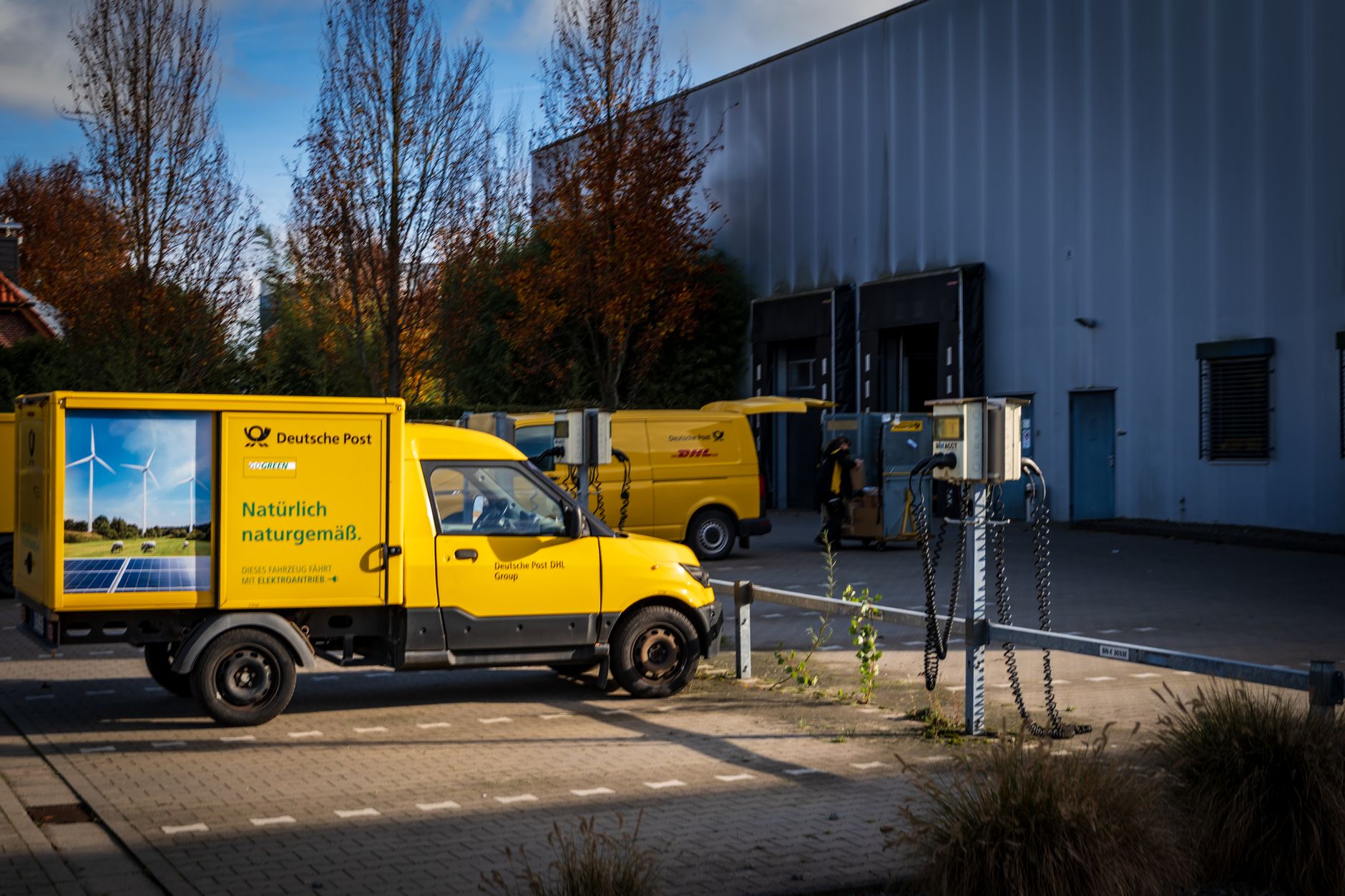
 Photo: Serg Karpow / Pexels
 Photo: Jakob Schlothane / Pexels
 Photo: Macourt Media / Pexels