
Navigating Corporate Real Estate Germany Successfully
Master the German commercial property market with expert insights and strategic guidance for optimal business outcomes.
Explore OpportunitiesKey Takeaways
- ✓ Germany's corporate real estate market is Europe's largest and most stable.
- ✓ Berlin, Munich, and Frankfurt are prime investment hubs for commercial properties.
- ✓ Sustainable building practices are increasingly mandated and valued in German CRE.
- ✓ Digitalization is transforming property management and transaction processes.
How It Works
Clearly outline your business needs, location preferences, and budget for corporate real estate in Germany. This initial step is crucial for targeted market research.
Engage with local experts to conduct thorough market analysis and identify suitable properties. Leverage professional networks for off-market opportunities.
Perform comprehensive legal, technical, and financial due diligence on selected properties. Expert negotiation skills are vital to secure favorable terms and pricing.
Finalize the acquisition process, including legal transfer and registration. Implement robust property management strategies to optimize asset performance and compliance.
Understanding the German Commercial Property Landscape
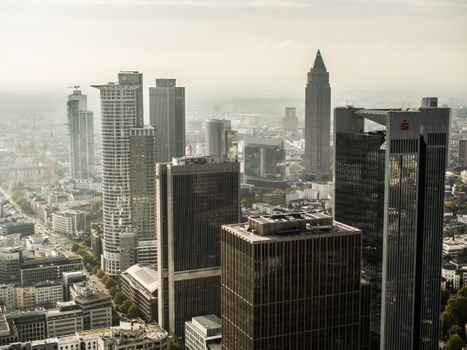 Photo: Jakob Schlothane / Pexels
Key Segments and Investment Trends in Corporate Real Estate Germany
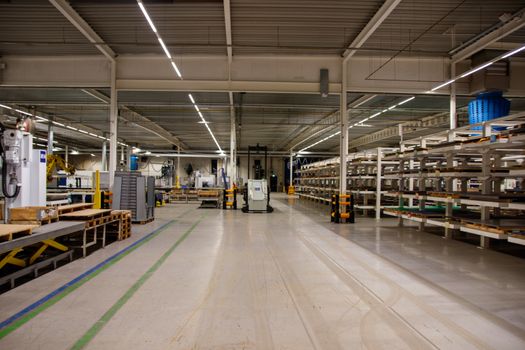 Photo: Freek Wolsink / Pexels
Navigating Legalities, Financing, and Sustainability in German CRE
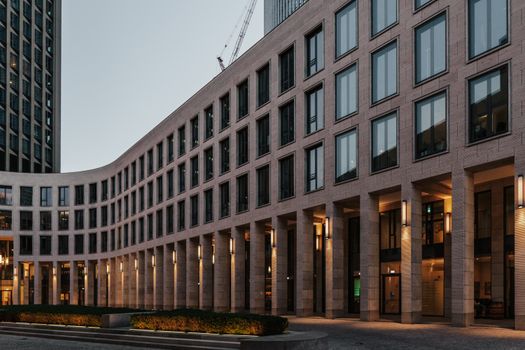 Photo: Masood Aslami / Pexels
Common Pitfalls and Best Practices in German Corporate Real Estate
 Photo: Sora Shimazaki / Pexels
Comparison
| Feature | Office (Prime Berlin) | Industrial (Logistics Hub) | Retail (High Street) |
|---|---|---|---|
| Average Yield (approx.) | 3.0-3.5% | 3.5-4.5% | 2.5-3.0% |
| Demand Driver | Tech, Startups, Government | E-commerce, Manufacturing | Luxury Brands, Tourism |
| Key Risk Factor | Remote Work Impact | Supply Chain Disruptions | E-commerce Competition |
| Growth Potential | Moderate to High | High | Selective |
| Liquidity | High | High | Moderate |
What Readers Say
"Our expansion into Munich required specific high-tech office space. The guidance on corporate real estate Germany was invaluable, helping us secure a prime location efficiently."
Anja Schmidt · Munich, Bavaria"As an international investor, understanding German property law felt daunting. This resource clarified everything, making our commercial property acquisition in Frankfurt seamless."
Marc Dubois · Frankfurt, Hesse"We needed a large logistics facility near the port. Following the advice on industrial real estate, we found and negotiated a fantastic deal, cutting our search time by months."
Lena Müller · Hamburg, Hamburg"The insights into sustainable building practices were particularly helpful for our new development. While some aspects were complex, the overall framework provided was excellent."
Tom Koster · Düsseldorf, NRW"From initial strategy to final lease, this guide demystified the corporate real estate Germany market. It's a must-read for any business looking to thrive here."
Sophia Becker · Berlin, BerlinFrequently Asked Questions
What are the primary challenges for foreign investors in corporate real estate Germany?
Foreign investors often face challenges related to navigating the complex German legal and tax framework, understanding regional market nuances, and establishing reliable local networks. Language barriers and differing business customs can also pose initial hurdles, making local expertise crucial for success.
Is the German office market still attractive given the rise of remote work?
Yes, the German office market remains attractive, especially for prime, flexible, and sustainable spaces. While remote work has influenced demand, many companies are seeking high-quality 'hub' offices for collaboration and culture, leading to a 'flight-to-quality' trend rather than a complete decline.
How do I find reputable real estate agents or advisors in Germany?
To find reputable real estate agents or advisors, look for firms with a strong track record in corporate real estate, specific regional expertise, and international client experience. Industry associations and professional networks can also be valuable resources for recommendations and vetting.
What are the typical transaction costs when buying commercial property in Germany?
Typical transaction costs in Germany include real estate transfer tax (Grunderwerbsteuer), which varies by state (3.5% to 6.5%), notary and court fees (approx. 1.5%), and potentially real estate agent commissions (up to 7.14% plus VAT, typically paid by the buyer or split). These can significantly add to the total investment.
How does German corporate real estate compare to other European markets?
Germany's corporate real estate market is often characterized by its stability, transparency, strong legal framework, and diverse economic base compared to other European markets. It typically offers lower risk and consistent returns, though prime yields might be tighter than in some emerging markets due to high demand.
Which German cities are best for new corporate real estate investments?
The 'Big 7' cities (Berlin, Munich, Frankfurt, Hamburg, Cologne, Düsseldorf, Stuttgart) are generally considered best for new corporate real estate investments, each offering unique sector strengths. Berlin for tech, Munich for high-tech/industry, Frankfurt for finance, and Hamburg for logistics are prime examples.
What are the risks associated with investing in German industrial real estate?
Risks in German industrial real estate include potential oversupply in certain micro-markets, reliance on specific industry sectors, and the impact of automation on labor force requirements. Environmental regulations for industrial sites also require careful due diligence to avoid unforeseen liabilities.
What future trends will impact corporate real estate in Germany?
Future trends impacting corporate real estate in Germany include continued digitalization (PropTech), increased focus on ESG compliance and sustainable building practices, evolving workplace models (hybrid work), and demographic shifts. The push for decarbonization will significantly influence development and asset management strategies.
Unlock the full potential of your business in Europe's leading economy. Navigate the complexities of corporate real estate Germany with expert guidance and strategic insights, ensuring your property decisions drive long-term success and growth.