
Unlocking Growth: Corporate Mergers Acquisitions Germany
corporate mergers acquisitions Germany

Unlocking Growth: Corporate Mergers Acquisitions Germany

Explore the strategic imperatives and operational intricacies of M&A in Europe's economic powerhouse.

Discover German M&A Insights

Key Takeaways

  • ✓ Germany is Europe's largest economy, making it a pivotal M&A market.
  • ✓ The German M&A landscape is characterized by a strong Mittelstand (SMEs) sector.
  • ✓ Legal and regulatory frameworks (e.g., German Stock Corporation Act) are complex.
  • ✓ Private equity remains a significant driver of M&A activity in Germany.

How It Works

1
Strategic Alignment & Target Identification

Define clear M&A objectives and identify potential targets that align with your strategic goals. This involves market research, competitive analysis, and initial outreach.

2
Due Diligence & Valuation

Conduct comprehensive due diligence (financial, legal, operational, commercial) to assess risks and opportunities. A robust valuation methodology is crucial for determining a fair price.

3
Negotiation & Deal Structuring

Engage in detailed negotiations on deal terms, price adjustments, and representations and warranties. Structure the transaction to optimize tax, legal, and operational outcomes.

4
Closing & Post-Merger Integration

Finalize legal documents, obtain regulatory approvals, and complete the transaction. Successful post-merger integration is critical for realizing the deal's anticipated synergies and value.

The German M&A Landscape: A Strategic Overview

Aerial view of Frankfurt's skyline, showcasing modern skyscrapers under a cloudy sky. Photo: Lana Kravchenko / Pexels
Germany, as the economic powerhouse of Europe, consistently presents a vibrant and complex landscape for corporate mergers acquisitions. Its robust industrial base, technological innovation, and strong export orientation make it an attractive destination for both domestic and international investors seeking growth, market share, or strategic capabilities. The German M&A market is not monolithic; it encompasses a diverse range of sectors, from the highly automated automotive industry and advanced manufacturing to cutting-edge software and renewable energy. Understanding the nuances of this market is paramount for any successful transaction. Historically, Germany's M&A activity has shown resilience, even through global economic shifts. While volumes may fluctuate, the underlying strategic rationale for deals remains strong, driven by factors such as consolidation pressures, technological disruption, talent acquisition, and the pursuit of new markets. The country's strong legal framework, although perceived as complex by some, also provides a high degree of certainty and protection for investors. Furthermore, the presence of the 'Mittelstand' – thousands of highly specialized, often family-owned small and medium-sized enterprises – offers unique opportunities for buyers looking for niche market leaders, proprietary technology, or established customer bases. These companies often possess deep engineering expertise, strong customer relationships, and a long-term strategic outlook, making them valuable targets. However, acquiring a Mittelstand company often requires a sensitive approach, respecting their corporate culture and legacy. Foreign investors, in particular, must navigate not only commercial considerations but also cultural differences and stakeholder expectations, especially from founding families or long-term management. The German market is also influenced by global trends, such as digitalization, sustainability, and geopolitical shifts. Companies are increasingly looking to M&A to accelerate their digital transformation, acquire green technologies, or expand into new regions to de-risk supply chains. This strategic imperative is driving deal activity in sectors like IT, cleantech, and advanced materials. Regulatory considerations also play a significant role. German and EU competition laws are rigorous, and transactions exceeding certain thresholds require approval from the Federal Cartel Office (Bundeskartellamt) or the European Commission. Additionally, foreign direct investment (FDI) reviews, particularly in critical infrastructure or technology sectors, have become more stringent, requiring careful planning and expert advice. The overall outlook for corporate mergers acquisitions Germany remains positive, albeit with a cautious optimism tempered by global economic uncertainties. Strategic buyers, private equity firms, and venture capital funds continue to see Germany as a prime location for value creation, provided they approach the market with thorough preparation, a deep understanding of local specifics, and a clear integration strategy. Navigating these complexities is key to unlocking the full potential of German M&A.

Key Drivers and Sectoral Trends in German M&A
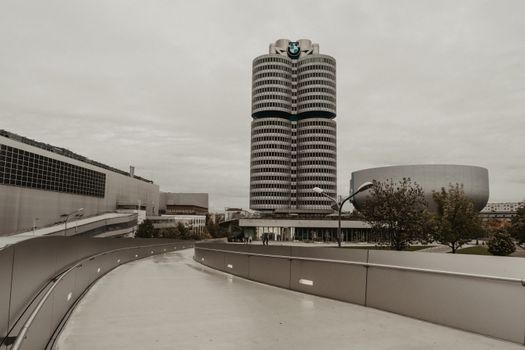
Explore the iconic modern architecture of the BMW headquarters in Munich, Germany. Photo: Masood Aslami / Pexels
The landscape of corporate mergers acquisitions in Germany is shaped by several powerful drivers and distinct sectoral trends. Understanding these forces is crucial for identifying opportunities and anticipating challenges. One of the primary drivers is the ongoing need for companies to innovate and digitalize. German industries, traditionally strong in manufacturing and engineering, are undergoing a profound transformation. Companies are acquiring software firms, AI specialists, and data analytics providers to enhance their product offerings, streamline operations, and stay competitive in a rapidly evolving global market. This trend is particularly evident in the automotive sector, where traditional manufacturers are investing heavily in autonomous driving technology, electric vehicle capabilities, and connected car services, often through strategic acquisitions or joint ventures. Another significant driver is sustainability and the green transition. Germany is at the forefront of renewable energy and environmental technologies. M&A activity in sectors like wind power, solar energy, energy storage, and sustainable materials is booming, as companies seek to meet ambitious climate targets and capitalize on growing demand for eco-friendly solutions. This extends beyond pure energy, impacting manufacturing processes, supply chains, and product design across industries. Consolidation is also a recurring theme. In mature industries, companies often pursue mergers to achieve economies of scale, reduce competition, and improve profitability. This can be seen in sectors like chemicals, logistics, and certain segments of retail, where market leaders are looking to strengthen their position and optimize their operational footprint. The quest for global market access and supply chain resilience further fuels M&A. German companies, many of which are global leaders in their niche, often acquire international targets to expand their geographic reach, diversify their customer base, or secure critical components and raw materials. Conversely, foreign companies acquire German firms to gain access to the highly skilled workforce, advanced R&D capabilities, and the 'Made in Germany' quality reputation. Private equity (PE) firms continue to be a dominant force in German M&A. With significant dry powder, PE houses are actively seeking targets, particularly within the Mittelstand. They often focus on companies with strong market positions, untapped growth potential, or those requiring operational improvements. PE-backed deals can provide growth capital, strategic guidance, and facilitate succession planning for family-owned businesses. However, the involvement of PE often means a faster-paced deal process and a focus on exit strategies. Geopolitical factors also influence deal activity. Trade tensions, supply chain disruptions, and regulatory shifts can prompt companies to reassess their global footprint and engage in M&A to mitigate risks or seize new opportunities arising from changing geopolitical alignments. For instance, companies might look to nearshore production or acquire partners in more stable regions. The legal and regulatory environment, while stable, also evolves. Changes in antitrust enforcement, foreign investment screening, and labor laws can impact deal feasibility and structuring. Staying abreast of these developments is essential for successful deal execution. In summary, the German M&A market is dynamic, driven by a confluence of technological advancement, environmental imperatives, market consolidation, global strategic considerations, and robust private equity activity. Identifying which of these drivers are most relevant to a particular sector or target company is a critical first step in any successful M&A strategy.

Navigating the Legal and Regulatory Framework for German M&A

Close-up of hands signing a contract on a desk with office supplies, symbolizing legal agreements. Photo: www.kaboompics.com / Pexels
Executing successful corporate mergers acquisitions in Germany requires a thorough understanding and careful navigation of its intricate legal and regulatory framework. Germany boasts a highly developed and sophisticated legal system, which, while providing certainty, also demands meticulous attention to detail. The primary legal instruments governing M&A transactions include the German Civil Code (BGB), the German Commercial Code (HGB), and specialized laws such as the German Stock Corporation Act (AktG) for public companies, or the Limited Liability Companies Act (GmbHG) for private companies. Share deals and asset deals are the two main transaction structures, each with distinct legal and tax implications. Share deals involve the acquisition of shares in the target company, meaning the buyer takes over the entire legal entity, including its assets, liabilities, and existing contracts. Asset deals, conversely, involve the transfer of specific assets and liabilities, requiring individual contracts for each item. The choice between these structures often depends on factors like tax efficiency, liability exposure, and the nature of the target's business. From a regulatory perspective, antitrust and competition law are paramount. Transactions that meet certain turnover thresholds or market share criteria must be notified to the Federal Cartel Office (Bundeskartellamt) or, for larger deals, the European Commission. Failure to obtain clearance can lead to significant fines and the unwinding of the transaction. The review process focuses on preventing the creation or strengthening of dominant market positions that could impede effective competition. Foreign direct investment (FDI) screening has also gained prominence. The German Foreign Trade and Payments Act (AWG) and the Foreign Trade and Payments Ordinance (AWV) empower the Federal Ministry for Economic Affairs and Climate Action (BMWK) to review and potentially prohibit acquisitions of German companies by non-EU/EFTA investors, particularly in critical infrastructure, defense, or high-tech sectors. This screening process has become more stringent and can add considerable time and complexity to cross-border deals. Labor law is another critical area. German employee co-determination (Mitbestimmung) laws are among the strongest globally, requiring employee representation on supervisory boards in larger companies. Works councils (Betriebsräte) also have significant rights to information, consultation, and co-determination on various operational matters. Any transaction impacting employees, such as restructurings or layoffs, must adhere to these regulations, often necessitating social plans and reconciliation of interests. Environmental law, data protection regulations (GDPR), and specific industry regulations (e.g., in finance or pharmaceuticals) also require careful due diligence. Undisclosed environmental liabilities or non-compliance with data protection rules can lead to substantial financial penalties and reputational damage. Tax law considerations are equally complex, encompassing corporate income tax, trade tax, value-added tax, and real estate transfer tax. Optimizing the transaction structure for tax efficiency requires expert advice, especially for international buyers. Warranties and indemnities are standard features in German M&A contracts, providing protection against unforeseen liabilities. However, the scope and duration of these clauses are subject to negotiation and legal precedent. Understanding the legal framework for corporate mergers acquisitions Germany is not merely about compliance; it's about strategic planning to mitigate risks, optimize deal terms, and ensure a smooth post-acquisition integration. Engaging experienced German legal counsel from the outset is indispensable for navigating these complexities successfully. Careful preparation is key to avoiding costly pitfalls.

Strategies for Successful German M&A Deals: Tips and Common Pitfalls

Team in a modern office discussing quarterly earnings with a presentation. Photo: Pavel Danilyuk / Pexels
Achieving success in corporate mergers acquisitions Germany demands more than just financial acumen; it requires a strategic, culturally sensitive, and legally sound approach. Here are key strategies and common pitfalls to consider: **Strategies for Success:** * **Deep Cultural Understanding:** German business culture values precision, long-term relationships, and clear communication. Building trust and respecting established hierarchies are crucial, especially when dealing with Mittelstand companies. Acknowledge and integrate German corporate values into your integration plan. * **Thorough Due Diligence:** Go beyond financial and legal. Conduct comprehensive commercial, operational, and environmental due diligence. Pay close attention to IT systems, data privacy compliance, and potential labor law implications. Undisclosed liabilities can quickly erode deal value. * **Early Stakeholder Engagement:** For private companies, engaging with founding families or long-term management early and transparently is vital. For larger entities, involving works councils and employee representatives from the outset can smooth the integration process and prevent labor disputes. * **Robust Integration Planning:** Value creation often happens post-closing. Develop a detailed integration plan covering organizational structure, IT systems, HR, and cultural alignment. Appoint a dedicated integration team with clear responsibilities and timelines. * **Local Expertise:** Partner with experienced German M&A advisors – legal counsel, tax consultants, and financial advisors. Their local knowledge of laws, regulations, market practices, and cultural nuances is invaluable for navigating complexities and avoiding missteps. * **Flexible Deal Structuring:** Be open to creative deal structures that can address specific seller needs, such as earn-outs, vendor financing, or deferred payments, especially when acquiring family-owned businesses. **Common Pitfalls to Avoid:** * **Underestimating Regulatory Hurdles:** Failing to anticipate or properly address German and EU antitrust approvals, or foreign direct investment (FDI) screening, can lead to significant delays or even deal collapse. * **Ignoring Labor Law Complexities:** Disregarding the power of works councils or the requirements of employee co-determination can result in protracted negotiations, costly social plans, and reputational damage. * **Cultural Misunderstandings:** Imposing a foreign corporate culture without consideration for German norms can lead to resistance, low morale, and loss of key talent. A 'one-size-fits-all' integration approach rarely works. * **Inadequate Post-Merger Integration:** Lack of a clear integration strategy, insufficient resources for integration, or poor communication post-closing can destroy anticipated synergies and lead to underperformance. * **Overlooking Hidden Liabilities:** Insufficient due diligence, particularly regarding environmental risks, product liability, or tax compliance, can expose the buyer to substantial unforeseen costs. * **Poor Communication:** Lack of transparent and consistent communication with employees, customers, and suppliers during and after the transaction can create uncertainty and erode trust. By proactively addressing these areas, investors can significantly enhance their prospects for successful corporate mergers acquisitions in Germany, realizing strategic objectives and creating lasting value.

Comparison

FeatureShare DealAsset DealJoint Venture
Target AcquiredEntire Company (Shares)Specific Assets/LiabilitiesNew Entity / Partnership
Liability TransferAll existing liabilitiesSelected liabilities onlyShared, defined by agreement
Transaction ComplexityModerate to HighHigh (asset-by-asset transfer)High (negotiation & governance)
Tax ImplicationsGenerally lower transfer taxesHigher real estate/VAT possibleVaries, complex
Labor Law ImpactExisting contracts transferNew contracts/transfer of undertakingNew employment structures
Regulatory ApprovalsAntitrust, FDIAntitrust, FDI (if applicable)Antitrust (if applicable)
Integration EasePotentially smootherMore disruptive initiallyRequires ongoing coordination

What Readers Say

"The insights provided on corporate mergers acquisitions Germany were exceptionally detailed and practical. It clarified many aspects of the German legal framework that can be daunting for foreign investors. Highly recommended for anyone considering M&A here."

Dr. Klaus Richter · Munich, Germany

"As a private equity investor, understanding the Mittelstand dynamics is crucial. This article offered a nuanced perspective on approaching these unique targets, significantly enhancing our strategic planning for German deals."

Sarah Chen · London, UK

"We were struggling with post-merger integration challenges after a recent acquisition. The section on strategies and pitfalls offered actionable advice that directly led to improvements in our integration team's approach and communication."

Marcus Schmidt · Frankfurt, Germany

"While incredibly informative, I would have appreciated even more specific examples of FDI screening outcomes. Nevertheless, the coverage of labor laws and cultural considerations was invaluable for our cross-border strategy into Germany."

Eleanor Vance · New York, USA

"This article serves as an excellent starting point for anyone new to the German M&A market. The breakdown of legal instruments and regulatory bodies is particularly helpful for navigating the initial phases of a transaction."

David Müller · Berlin, Germany

Frequently Asked Questions

What are the primary legal considerations for corporate mergers acquisitions Germany?

The primary legal considerations involve the German Civil Code (BGB), Commercial Code (HGB), and specific acts like the Stock Corporation Act (AktG) or Limited Liability Companies Act (GmbHG). Key areas include antitrust clearance, foreign direct investment screening, and complex labor law requirements related to works councils and employee co-determination.

Is the German M&A market difficult for foreign investors?

While the German M&A market is sophisticated and has stringent regulations, it is highly accessible for foreign investors with the right approach. The complexity often lies in navigating cultural nuances, strong labor laws, and evolving FDI screening, necessitating expert local legal and financial advice.

How do I ensure a smooth post-merger integration in Germany?

To ensure smooth post-merger integration, develop a detailed plan covering operational, IT, HR, and cultural aspects. Engage key stakeholders, including works councils, early. Prioritize clear, consistent communication and allocate sufficient resources to the integration team. Respecting local culture and employee co-determination rights is paramount.

What are the typical costs associated with corporate mergers acquisitions Germany?

The costs associated with M&A in Germany vary significantly based on transaction size and complexity. They typically include advisory fees (investment bankers, lawyers, tax consultants), due diligence costs, regulatory fees, and potential integration expenses. Valuation and deal structure greatly influence the final price, which can range from millions to billions of Euros.

How do German M&A regulations compare to those in the UK or USA?

German M&A regulations are often perceived as more prescriptive, especially concerning labor law and employee co-determination, which are generally stronger than in the UK or USA. While antitrust laws are similar, Germany's FDI screening has become more robust, and cultural integration aspects play a more significant role in deal success compared to more transaction-focused environments.

Who should consider corporate mergers acquisitions in Germany?

Any company or investor seeking strategic growth, technological innovation, market expansion, or access to highly skilled talent should consider M&A in Germany. This includes strategic buyers looking for market leaders, private equity firms seeking value creation, and international corporations aiming to strengthen their European footprint.

What are the risks of overlooking German labor laws during an acquisition?

Overlooking German labor laws carries significant risks, including protracted negotiations with works councils, high severance costs due to social plans, potential litigation, reputational damage, and delays in integration. Non-compliance can severely impact deal value and operational efficiency post-acquisition.

What are the emerging trends in corporate mergers acquisitions Germany?

Emerging trends in German M&A include increased focus on digitalization and AI-driven acquisitions, a surge in deals related to sustainability and green technologies, continued strong private equity activity, and heightened scrutiny of foreign direct investments in critical sectors. Geopolitical factors also increasingly influence deal structuring and target selection.

Navigating the intricate world of corporate mergers acquisitions Germany requires expert guidance and a deep understanding of its unique market dynamics. Partner with experienced advisors to unlock growth opportunities and ensure your next M&A endeavor is a resounding success.

Topics: corporate mergers acquisitions GermanyGerman M&A marketmerger and acquisition law Germanydeal-making Germanycorporate strategy Germany
Leo List
Brampton weed
Adultwork EstrelaBet Vai de Bet R7 Bet Betão Galera Bet Rainbet Bet9ja Shop SportyBet BetKing Sisal Loto Foot Hollywoodbets YesPlay Odibets RushBet Jugabet BetWarrior BetCity MSport betPawa Fortebet