
Mastering Corporate Insurance Germany: Your Essential Guide
corporate insurance Germany

Mastering Corporate Insurance Germany: Your Essential Guide

Unlock comprehensive protection for your enterprise in Germany, ensuring stability and peace of mind.

Secure Your Business

Key Takeaways

  • ✓ Germany's insurance market is one of the largest and most regulated globally.
  • ✓ Mandatory insurance types exist for many German businesses, particularly liability.
  • ✓ Digitalization is rapidly transforming the corporate insurance landscape in Germany.
  • ✓ Tailored insurance solutions are crucial due to diverse industry risks.

How It Works

1
Risk Assessment & Needs Analysis

Identify potential vulnerabilities specific to your business operations and industry. A thorough analysis helps determine the most critical areas requiring coverage.

2
Policy Selection & Customization

Choose from a range of insurance products, tailoring policies to match your assessed risks and budget. This step ensures you're not over- or under-insured.

3
Implementation & Compliance

Integrate the chosen insurance policies into your business's risk management strategy. Regularly review and ensure compliance with German legal requirements.

4
Ongoing Management & Review

Continuously monitor your coverage, adjusting policies as your business evolves or new risks emerge. Proactive management is key to sustained protection.

Understanding the Landscape of Corporate Insurance Germany
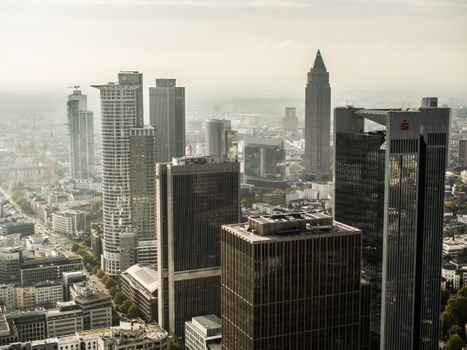
Aerial view of Frankfurt's skyscraper-filled skyline under a hazy sky. Photo: Jakob Schlothane / Pexels
The German market for corporate insurance is a highly sophisticated and regulated environment, reflecting Germany's robust economy and strong legal framework. For any business operating within its borders, understanding this landscape is not merely a recommendation but a fundamental necessity for sustainable growth and operational resilience. Unlike some other markets, Germany often mandates specific types of insurance for certain professions and industries, making it imperative for companies to navigate these requirements carefully. The market is characterized by a blend of long-established, traditional insurers and innovative InsurTech startups, all competing to offer comprehensive solutions tailored to the diverse needs of German businesses, from Mittelstand companies to large multinational corporations. This competitive environment can be advantageous for businesses, fostering a wide array of specialized products and competitive pricing, but it also necessitates a clear understanding of what constitutes adequate coverage. Key to this understanding is recognizing the distinction between legally required insurance and highly recommended, albeit optional, policies. For instance, employers' liability insurance (Berufsgenossenschaft) is mandatory for almost all businesses in Germany, covering workplace accidents and occupational diseases. Similarly, professional liability insurance (Berufshaftpflichtversicherung) is often obligatory for professions such as doctors, lawyers, and architects, protecting against financial losses due to professional errors. Beyond these, a multitude of other policies, such as business interruption insurance, cyber insurance, and D&O insurance, have become indispensable for managing modern business risks. The regulatory body, BaFin (Bundesanstalt für Finanzdienstleistungsaufsicht), plays a crucial role in overseeing the insurance sector, ensuring consumer protection and market stability. This oversight means that policies are generally reliable and transparent, but also subject to strict guidelines. Navigating this complex interplay of legal obligations, market offerings, and regulatory standards requires expertise, often leading businesses to seek advice from specialized brokers or consultants who possess in-depth knowledge of the German insurance market. Understanding the nuances of German corporate law further underpins the need for robust insurance strategies, as legal liabilities can quickly translate into significant financial burdens without adequate protection. This foundational knowledge forms the bedrock upon which effective risk management strategies are built, ensuring that businesses can operate with confidence and security in one of Europe's most dynamic economies.

Essential Corporate Insurance Types for German Businesses
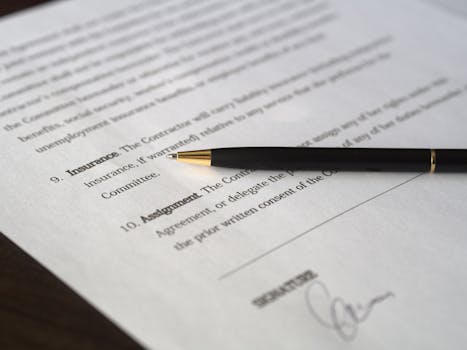
Close-up image of a business contract and pen, signed and ready for agreement. Photo: Pixabay / Pexels
For businesses operating in Germany, a strategic approach to corporate insurance involves selecting the right mix of policies to cover a broad spectrum of risks. While the specific needs vary greatly depending on industry, size, and operational scope, several types of insurance are almost universally essential or legally mandated. **1. Business Liability Insurance (Betriebshaftpflichtversicherung):** This is arguably the most fundamental type of insurance for any German company. It protects against claims for damages caused to third parties (persons or property) during the course of business operations. This can include anything from a customer slipping in your store to a faulty product causing damage. Without adequate general liability coverage, a single incident could lead to devastating financial consequences for a business. It's crucial to ensure the sum insured is sufficient to cover potential high-value claims. **2. Professional Liability Insurance (Berufshaftpflichtversicherung/Vermögensschadenhaftpflichtversicherung):** For service-oriented businesses, especially those offering advice or expertise (e.g., consultants, IT service providers, architects, lawyers), professional liability insurance is paramount. It covers financial losses incurred by third parties due to professional errors, negligence, or omissions. While sometimes mandatory for regulated professions, it's highly recommended for any business where intellectual services form a core offering, as general liability often excludes purely financial damages. **3. Property Insurance (Inhaltsversicherung/Gebäudeversicherung):** This protects your business's physical assets. *Inhaltsversicherung* covers movable property like inventory, machinery, and office equipment against perils such as fire, storm, water damage, and theft. *Gebäudeversicherung* (building insurance) covers the actual commercial building if you own it. For many businesses, particularly those with significant physical infrastructure or valuable stock, this insurance is critical for rapid recovery after unforeseen events. **4. Business Interruption Insurance (Betriebsunterbrechungsversicherung):** Often purchased in conjunction with property insurance, this policy is vital for maintaining financial stability after a covered peril (e.g., fire, flood) forces a temporary halt or reduction in business operations. It compensates for lost profits and ongoing fixed costs (like salaries and rent) during the period of restoration, ensuring the business can survive and rebuild without succumbing to financial strain. This coverage is increasingly recognized as indispensable for business continuity. **5. Cyber Insurance (Cyber-Versicherung):** In an increasingly digital world, cyber risks are a top concern. Cyber insurance covers losses related to data breaches, cyberattacks (e.g., ransomware), and other IT-related risks. This includes costs for forensic investigation, data recovery, legal fees, notification expenses, and even business interruption due to a cyber incident. Given Germany's strict data protection laws (GDPR), cyber insurance is becoming a non-negotiable for businesses handling sensitive data. The regulatory landscape around data protection, like the German Data Protection Act, further underscores the importance of this specific coverage. Proper cyber insurance ensures that businesses can effectively respond to and recover from digital threats, protecting both their finances and reputation. **6. Directors' and Officers' (D&O) Liability Insurance (D&O-Versicherung):** This protects the personal assets of directors and officers against claims arising from alleged wrongful acts in their management capacity. In Germany, managing directors and board members can be held personally liable for breaches of duty, making D&O insurance a critical safeguard for attracting and retaining top talent. It covers legal defense costs and damages awarded in such claims. Each of these insurance types plays a distinct yet interconnected role in establishing a robust risk management framework for German corporations.

Navigating the German Insurance Market: Providers and Policies
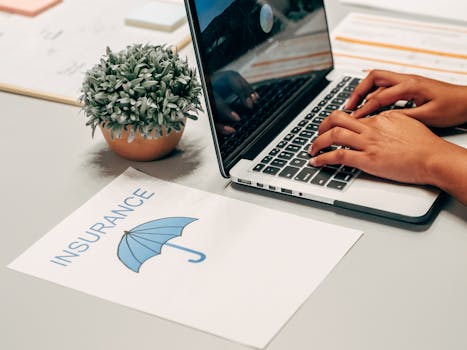
Hands typing on a laptop at a desk with an insurance paper and plant, suggesting a work environment. Photo: Kindel Media / Pexels
The German insurance market is characterized by a diverse ecosystem of providers, ranging from global giants with extensive resources to specialized local insurers focusing on niche industries. Choosing the right provider and policy involves more than just comparing premiums; it requires a deep dive into coverage scope, claims handling efficiency, and the insurer's understanding of specific industry risks. Major players like Allianz, Axa, Ergo, and Zurich dominate the market, offering comprehensive portfolios across various corporate insurance segments. However, smaller, specialized insurers often provide highly tailored solutions for specific sectors, such as engineering, logistics, or IT, which might offer more precise coverage and better terms for unique risk profiles. When evaluating providers, it's essential to look beyond the brand name and scrutinize the policy wording for exclusions, limitations, and deductibles (Selbstbeteiligung). A seemingly cheaper policy might come with significant gaps in coverage that could prove costly in the event of a claim. Furthermore, the German market is increasingly adopting digital solutions, with InsurTech companies emerging to offer streamlined processes, data-driven risk assessment, and more flexible policy options. These new players can be particularly attractive for startups and SMEs seeking agile and cost-effective solutions. However, the complexity of corporate risks often necessitates personalized advice, making the role of independent insurance brokers (Versicherungsmakler) invaluable. Brokers act as an intermediary, representing the interests of the business rather than a specific insurer. They can conduct a thorough needs analysis, compare offers from multiple providers, negotiate terms, and assist with claims processing. Their expertise in the intricacies of German insurance law and market practices can save businesses significant time and money, ensuring optimal coverage aligned with their operational realities. When considering policies, attention must be paid to policy aggregates, sub-limits, and the geographical scope of coverage, especially for businesses with international operations. For instance, a general liability policy might have a worldwide coverage clause, but with specific exclusions for certain high-risk regions or activities. Understanding the long-term implications of policy choices, including renewal terms and premium adjustments, is also crucial for strategic financial planning. The German regulatory framework, overseen by BaFin, ensures a high standard of solvency and conduct among insurers, providing a layer of security for policyholders. However, the onus remains on the business to engage diligently with the market to secure the most appropriate and robust business protection strategies for its specific context. This diligent approach is what ultimately transforms an expense into a strategic investment in business continuity and resilience.

Avoiding Common Pitfalls in German Corporate Insurance

A professional meeting in a modern office with a couple shaking hands with a businessman. Photo: Pavel Danilyuk / Pexels
Navigating corporate insurance in Germany can be complex, and several common pitfalls can lead to inadequate coverage, financial losses, or legal complications. Being aware of these can significantly enhance your risk management strategy: * **Underinsurance (Unterversicherung):** This is one of the most frequent and dangerous mistakes. If the sum insured is significantly lower than the actual value of the insured assets or potential liability, insurers may apply a pro-rata reduction to claims payments. For example, if your property is insured for €500,000 but valued at €1,000,000, a €100,000 damage claim might only be paid out at €50,000. Regularly review and update your insurance values, especially for property and business interruption. * **Ignoring Policy Exclusions and Limitations:** Many businesses focus solely on what a policy covers, overlooking critical exclusions. All insurance policies have limitations (e.g., terrorism, war, certain types of cyberattacks might be excluded or require specific endorsements). Carefully read the 'Kleingedrucktes' (fine print) or have an expert do so. Ensure that your most significant risks are not inadvertently excluded. * **Failure to Disclose Material Information:** German insurance law requires policyholders to truthfully and completely disclose all relevant facts when applying for insurance. Failure to do so, even unintentionally, can lead to the insurer voiding the contract or denying claims. Be transparent about your business operations, risks, and past claims history. * **Neglecting Regular Policy Reviews:** Business operations, assets, and risks evolve. What was adequate coverage five years ago might be completely insufficient today. Changes in business activities, expansion into new markets, acquisition of new machinery, or increased revenue streams all necessitate a review of your insurance portfolio. Annual reviews are a best practice. * **Over-reliance on Standard Policies:** While standard policies provide a good baseline, they rarely offer perfect protection for unique business models. For specialized industries or complex operations, a bespoke solution or specific endorsements are often necessary. A one-size-fits-all approach can leave critical gaps. * **Not Understanding Deductibles (Selbstbeteiligung):** A higher deductible generally means lower premiums, but it also means your business bears more of the initial cost of a claim. Ensure your chosen deductible aligns with your company's financial capacity to absorb immediate losses. * **Lack of Proactive Claims Management:** When an incident occurs, prompt and accurate reporting to the insurer is crucial. Delaying notification or failing to provide necessary documentation can jeopardize a claim. Establish clear internal protocols for incident reporting and claims processing. By actively addressing these common pitfalls, businesses can significantly strengthen their corporate insurance strategy in Germany, ensuring more robust protection and greater peace of mind.

Comparison

FeatureStandard Business LiabilityProfessional LiabilityCyber Insurance
Primary CoverageDamage to 3rd party property/personsFinancial loss from professional errorsData breach, cyberattack costs
Typical BeneficiaryGeneral public, customersClients receiving professional serviceBusiness & affected parties
Mandatory forOften implicit/explicit for manySpecific regulated professionsNot mandatory, but highly recommended
Key ExclusionsPure financial loss, professional errorsBodily injury, property damageActs of war, physical damage to IT infra
Cost FactorMediumMedium-HighHigh (increasing)

What Readers Say

"Our engineering firm needed very specific corporate insurance in Germany. The tailored solution we received covered every unique risk, allowing us to focus on our projects with full confidence."

Dr. Klaus Richter · Munich, Bavaria

"As a growing e-commerce business, cyber insurance was critical. The provider helped us understand the German legal requirements and secured comprehensive coverage at a competitive rate."

Anja Müller · Hamburg

"After a fire incident, our business interruption insurance kicked in seamlessly. We recovered lost profits and operational costs, preventing what could have been a catastrophic shutdown. Truly invaluable for corporate insurance Germany."

Stefan Schmidt · Berlin

"The initial setup for our corporate insurance in Germany was a bit complex, but the broker's guidance was exceptional. We now have solid protection, though I wish the pricing model was a little more transparent upfront."

Lena Wagner · Frankfurt, Hesse

"Managing a logistics company, our liability and fleet insurance needs are immense. Our current policy for corporate insurance Germany is robust, covering international transit and all our vehicles effectively, crucial for our operations."

Michael Lange · Düsseldorf, NRW

Frequently Asked Questions

What is the most crucial corporate insurance Germany businesses must have?

While it varies by industry, Business Liability Insurance (Betriebshaftpflichtversicherung) is almost universally crucial for any German business. It covers damages caused to third parties and their property, protecting your company from significant financial claims. For certain professions, professional liability insurance is also mandatory.

Is cyber insurance mandatory for companies in Germany?

No, cyber insurance is not legally mandatory for all companies in Germany. However, given the strict data protection laws (like GDPR) and the increasing frequency and sophistication of cyberattacks, it is highly recommended for any business handling sensitive data or relying on digital infrastructure to protect against financial losses and reputational damage.

How often should I review my corporate insurance policies in Germany?

It is strongly recommended to review your corporate insurance policies at least once a year, or whenever significant changes occur in your business operations. This includes expanding services, acquiring new assets, entering new markets, or experiencing substantial growth. Regular reviews ensure your coverage remains adequate and relevant.

What factors influence the cost of corporate insurance in Germany?

The cost of corporate insurance in Germany is influenced by several factors, including your industry, company size, revenue, specific risks associated with your operations, claims history, the level of coverage chosen (sum insured), and deductibles. Tailored policies often reflect these unique risk profiles.

How does German corporate insurance differ from other European countries?

German corporate insurance often stands out due to its highly regulated environment, emphasis on comprehensive coverage, and specific mandatory insurance types for various professions and businesses. The legal framework and strong consumer protection typically lead to robust policies, though sometimes with higher premiums compared to less regulated markets.

Which types of businesses benefit most from D&O insurance in Germany?

All incorporated businesses (e.g., GmbH, AG) in Germany can benefit from D&O (Directors' and Officers') insurance, as managing directors and board members can be held personally liable for breaches of duty. It's particularly vital for companies with complex corporate governance structures or those operating in highly regulated sectors.

What if my business operates internationally from Germany?

If your business operates internationally, you will need to ensure your corporate insurance policies have adequate worldwide or specific regional coverage. Standard German policies may have geographical limitations. It's crucial to discuss your international activities with your insurer or broker to secure appropriate extensions or specific global policies.

What future trends are impacting corporate insurance in Germany?

Key future trends include increasing digitalization and automation in policy management and claims processing, the growing importance of cyber insurance due to evolving threats, and a focus on ESG (Environmental, Social, Governance) risks. Parametric insurance and AI-driven risk assessment are also emerging as significant developments.

Securing the right corporate insurance in Germany is not just a regulatory obligation but a strategic investment in your business's future. Don't leave your enterprise vulnerable to unforeseen risks; take proactive steps today to ensure comprehensive protection and peace of mind.

Topics: corporate insurance Germanybusiness insurance GermanyGerman commercial insuranceliability insurance Germanyrisk management Germany
Leo List
Brampton weed
Adultwork EstrelaBet Vai de Bet R7 Bet Betão Galera Bet Rainbet Bet9ja Shop SportyBet BetKing Sisal Loto Foot Hollywoodbets YesPlay Odibets RushBet Jugabet BetWarrior BetCity MSport betPawa Fortebet