
 Photo: Masood Aslami / Pexels
Unlocking Growth: Corporate Innovation Strategies Germany
Propel your business forward by mastering the art and science of innovation in the heart of Europe's industrial powerhouse.
Explore InnovationKey Takeaways
- ✓ Germany consistently ranks among the top global innovators.
- ✓ Mittelstand companies are key drivers of German innovation.
- ✓ Digitalization and sustainability are central to current German innovation efforts.
- ✓ Open innovation and corporate-startup collaborations are gaining traction.
How It Works
Evaluate your organization's existing innovation capabilities, processes, and culture. Identify strengths, weaknesses, and areas ripe for strategic intervention to lay a solid foundation.
Align innovation efforts with overarching business goals, market trends, and customer needs. Clearly articulate specific innovation objectives and desired outcomes to guide resource allocation.
Employ a mix of approaches, from internal R&D and incubators to external collaborations and venture building. Foster an ecosystem that supports various types of innovation, from incremental to disruptive.
Establish clear metrics to track innovation progress and ROI, continuously learn from successes and failures. Cultivate a culture of continuous improvement and scale successful innovations across the organization.
The German Innovation Landscape and its Unique Strengths
 Photo: Sascha Weber / Pexels
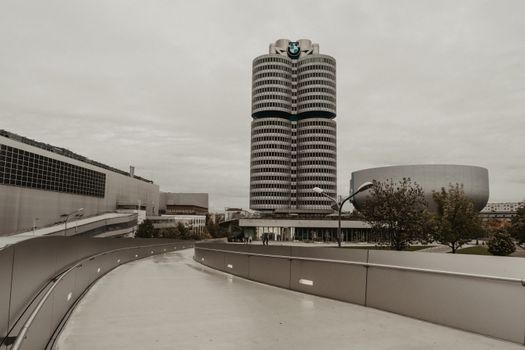
Beyond the Mittelstand, Germany boasts world-class research institutions, universities, and Fraunhofer Institutes that actively collaborate with industry. This strong academic-industry nexus facilitates the transfer of cutting-edge research into practical applications, accelerating technological advancements. The government also plays a crucial role, offering various grants, funding programs, and incentives for research, development, and digitalization initiatives, further fueling corporate innovation. Furthermore, Germany's strategic location in the heart of Europe provides access to a vast single market and diverse talent pools. The country's robust legal framework, strong intellectual property protection, and stable economic environment create a secure foundation for companies to invest in risky but potentially rewarding innovation projects. However, the German innovation landscape isn't without its challenges. While strong in traditional manufacturing and engineering, there's a recognized need to accelerate digitalization across all sectors and to foster a more agile, risk-taking startup culture. Addressing these areas is central to evolving German corporate innovation strategies to maintain global competitiveness in an increasingly digital and fast-paced world. Understanding these inherent strengths and current areas of focus is the first step for any corporation looking to thrive within or learn from the German model of innovation. This foundation allows companies to build sustainable corporate growth strategies.
Key Pillars of Successful Corporate Innovation Strategies in Germany
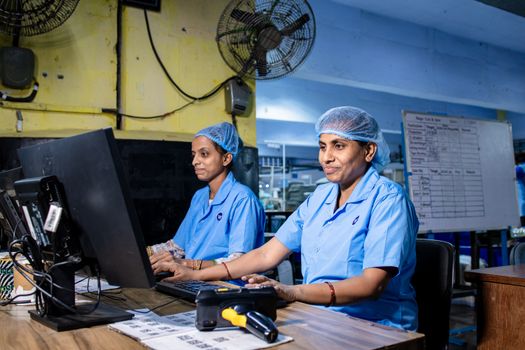 Photo: EqualStock IN / Pexels
Another critical pillar is sustainability and green innovation. Driven by strong public awareness, stringent environmental regulations, and a societal commitment to climate protection, German corporations are at the forefront of developing eco-friendly products, processes, and business models. This includes everything from renewable energy technologies and electric mobility to circular economy principles in manufacturing and sustainable material development. Innovation in this area is not just about compliance; it's increasingly viewed as a source of competitive advantage, attracting environmentally conscious consumers and investors. Companies are finding that sustainable innovation can lead to significant cost savings through resource efficiency and open up new market opportunities.
Furthermore, 'Open Innovation' is gaining significant traction. Recognizing that not all good ideas can originate internally, German companies are actively seeking external collaboration. This includes partnerships with startups, universities, research institutions, and even competitors. Corporate incubators, accelerators, and venture capital arms are becoming common tools to scout for promising technologies and business models, fostering a symbiotic relationship where corporations provide resources and market access, and startups bring agility and disruptive ideas. This approach helps overcome internal inertia and accelerates the pace of innovation by leveraging diverse perspectives and expertise.
Finally, a strong emphasis on talent development and fostering an innovation culture within the organization is crucial. This involves investing in continuous learning, promoting cross-functional collaboration, encouraging risk-taking, and providing employees with the autonomy and resources to pursue new ideas. Companies are moving away from hierarchical structures towards more agile, self-organizing teams, recognizing that a bottom-up approach to innovation can unlock significant potential. These pillars collectively form a comprehensive strategy for German companies aiming to remain at the cutting edge of global innovation.
Navigating Challenges and Future Trends in German Corporate Innovation
Another challenge is the risk-averse nature often associated with German business culture. While this fosters precision and quality, it can sometimes stifle disruptive innovation, which inherently involves a higher degree of uncertainty and potential failure. Encouraging a 'fail fast, learn faster' mentality and creating safe spaces for experimentation within large corporations is vital. This means redefining success to include lessons learned from failed projects and celebrating iterative progress, not just perfect outcomes. Balancing traditional strengths with a more experimental mindset is a delicate but crucial act for future innovation.
Looking ahead, several key trends are set to shape corporate innovation strategies in Germany. The convergence of technologies, particularly AI, IoT, and quantum computing, will unlock unprecedented opportunities for new products, services, and business models. Companies that can effectively integrate these technologies will gain a significant competitive edge. The focus on 'data sovereignty' and ethical AI will also be paramount, aligning with Germany's strong regulatory environment and public concern for privacy and security.
Furthermore, the shift towards a more circular economy will intensify. Innovation will increasingly focus on reducing resource consumption, extending product lifecycles, and designing for recyclability and reuse. This will require fundamental changes in product design, manufacturing processes, and supply chain management, creating new challenges but also vast opportunities for companies that can lead in this space. The ongoing talent shortage, particularly in STEM fields and digital competencies, will also continue to be a critical factor. Corporations will need to double down on internal upskilling and reskilling programs, engage in proactive talent acquisition globally, and foster diverse and inclusive workplaces to attract and retain top talent. Proactive engagement with these trends and challenges will determine the long-term success of corporate leadership in Germany's innovation landscape.
Best Practices and Common Mistakes in German Corporate Innovation
Best Practices for Corporate Innovation in Germany:
- Foster a Culture of Experimentation: Encourage employees at all levels to propose and test new ideas, even if they seem unconventional. Allocate dedicated time and resources for exploratory projects, providing psychological safety for trial and error.
- Leverage the Mittelstand Network: Actively seek partnerships and collaborations with specialized SMEs. Their deep domain expertise and agile structures can accelerate specific innovation projects and provide access to niche technologies.
- Invest in Continuous Learning & Development: Prioritize upskilling and reskilling programs for your workforce, particularly in digital and future-oriented skills like AI, data science, and sustainable engineering. A knowledgeable workforce is an adaptable workforce.
- Embrace Open Innovation: Look beyond internal R&D. Establish corporate venture units, engage with accelerators, and participate in industry consortiums. Tap into the external ecosystem of startups, universities, and research institutes for fresh perspectives and disruptive technologies.
- Align Innovation with Corporate Strategy: Ensure that all innovation initiatives are clearly linked to overarching business objectives and market needs. Avoid 'innovation for innovation's sake'; every project should have a potential path to commercialization and impact.
- Prioritize Sustainability from Inception: Integrate environmental and social considerations into the very design phase of new products and processes. This not only meets regulatory requirements but also resonates with market demand and creates long-term value.
Common Mistakes to Avoid:
- Innovation Silos: Creating separate innovation departments that are disconnected from the core business. This often leads to projects that fail to integrate or scale within the main organization.
- Lack of Executive Buy-in: Without strong, visible support from top leadership, innovation initiatives often lack the necessary resources, authority, and cultural acceptance to succeed.
- Ignoring the 'Not Invented Here' Syndrome: A reluctance to adopt external ideas or technologies, believing that all valuable innovation must originate internally. This limits potential and slows progress.
- Over-reliance on Incremental Improvements: While important, focusing exclusively on small, iterative changes can lead to missing out on disruptive opportunities and falling behind competitors.
- Insufficient Funding or Patience: Innovation, especially disruptive innovation, requires sustained investment and a long-term perspective. Cutting funding prematurely or expecting immediate returns can doom promising projects.
- Failing to Measure and Learn: Not establishing clear metrics for innovation success or, conversely, measuring everything without using the data to adapt and improve processes.
Comparison
| Feature | Traditional R&D | Corporate Accelerator | Corporate Venturing | Internal Incubator |
|---|---|---|---|---|
| Pace of Innovation | Slow-Moderate | Fast | Moderate-Fast | Moderate |
| Risk Tolerance | Low-Moderate | High | High | Moderate |
| Investment Type | Internal Budget | Program Costs/Equity | Equity Investment | Internal Budget/Resources |
| External Collaboration | Low | High | High | Moderate |
| Focus | Core Product/Process | Disruptive Ideas | Strategic Growth/M&A | New Business Models |
| Cultural Impact | Limited | High (Agility) | High (Market Access) | High (Entrepreneurship) |
| Control | High | Moderate | Low-Moderate | High |
| Scalability | ✓ | ✗ (external focus) | ✓ (via acquisition) | ✓ |
What Our Readers Say
"Our adoption of new corporate innovation strategies in Germany, particularly focusing on open innovation, has transformed our product development cycle. We've seen a 25% reduction in time-to-market for our latest industrial IoT solutions, thanks to strategic startup partnerships."
Dr. Klaus Richter Munich, Bavaria"The insights into German innovation culture helped us tailor our internal programs. By embracing a 'test and learn' approach, we've empowered our engineering teams to be more experimental, leading to several breakthrough process improvements."
Anja Müller Stuttgart, Baden-Württemberg"Implementing a structured approach to corporate innovation strategies in Germany allowed us to successfully launch a new sustainable packaging division. This not only met market demand but also opened up entirely new revenue streams, exceeding our initial projections by 40%."
Michael Schmidt Hamburg, Hamburg"While challenging to shift mindsets in an established organization, the emphasis on digital transformation within corporate innovation strategies in Germany provided a clear roadmap. We're still early in our journey, but the initial results in data-driven decision-making are very promising."
Lena Wagner Berlin, Berlin"As a medium-sized enterprise, understanding the nuances of corporate innovation strategies in Germany, especially regarding Mittelstand collaboration, has been invaluable. It's allowed us to compete effectively with larger players by focusing our innovation efforts strategically."
Jürgen Brandt Düsseldorf, North Rhine-WestphaliaFrequently Asked Questions
What defines the unique approach to corporate innovation strategies in Germany?
Is Germany too slow in adopting digital innovation compared to other nations?
How can my company foster an innovation culture within its German operations?
What are the typical costs associated with implementing new corporate innovation strategies in Germany?
How do German corporate innovation strategies compare to those in the US or Asia?
Who should consider adopting advanced corporate innovation strategies in Germany?
What are the risks if a company neglects its corporate innovation strategies in Germany?
What future trends will most impact corporate innovation strategies in Germany?
Ready to future-proof your business and unlock new growth opportunities? Explore how robust corporate innovation strategies in Germany can elevate your organization's potential and secure its place at the forefront of global competitiveness.