✓ Germany operates a dual-board system: Management Board (Vorstand) and Supervisory Board (Aufsichtsrat).
✓ The German Corporate Governance Code (GCGC) provides recommendations for best practices.
✓ Co-determination (Mitbestimmung) gives employees significant representation on supervisory boards.
✓ Transparency and accountability are cornerstones of German corporate governance.
How It Works
1
Understand the Dual-Board Structure
Familiarize yourself with the distinct roles and responsibilities of the Management Board (Vorstand) for day-to-day operations and the Supervisory Board (Aufsichtsrat) for oversight. This separation of powers is fundamental to German governance.
2
Integrate the GCGC
Review the German Corporate Governance Code (GCGC) and its 'comply or explain' principles. While not legally binding in its entirety, adherence is expected, and deviations must be publicly justified, ensuring transparency.
3
Embrace Co-determination
Recognize the importance of employee representation on the Supervisory Board, a unique feature of German governance. This fosters collaboration and ensures employee interests are considered in strategic decisions, impacting long-term stability.
4
Ensure Transparency & Reporting
Implement robust internal controls and reporting mechanisms to meet regulatory requirements and stakeholder expectations. Clear communication regarding corporate strategy, risks, and performance is crucial for maintaining trust and compliance.
The Foundation: Understanding Corporate Governance Principles Germany
Photo: Cristiano Junior / Pexels
Corporate governance principles in Germany are a cornerstone of its economic stability and corporate integrity. Unlike many other jurisdictions, Germany employs a distinctive dual-board system, a fundamental aspect that sets its governance framework apart. This system comprises a Management Board (Vorstand) and a Supervisory Board (Aufsichtsrat), each with clearly delineated responsibilities. The Management Board is tasked with the day-to-day running of the company, strategic development, and operational decisions. Its members are typically full-time executives, deeply embedded in the company's operations. In contrast, the Supervisory Board's primary function is to oversee, advise, and appoint/remove members of the Management Board. It acts as a critical check and balance, ensuring that the Management Board acts in the best interests of the company and its stakeholders. This separation of powers is designed to prevent conflicts of interest and ensure robust oversight, fostering a culture of accountability and responsible management. The legal basis for this structure is primarily found in the German Stock Corporation Act (Aktiengesetz – AktG), which mandates this system for public limited companies (AGs) and also influences the governance of large private limited companies (GmbHs) through various legal provisions.
Beyond the dual-board structure, another defining characteristic of corporate governance in Germany is the principle of co-determination (Mitbestimmung). This unique feature grants employees significant representation on the Supervisory Board, particularly in larger companies. Depending on the company's size and legal form, employee representatives can constitute up to half of the Supervisory Board's members. This ensures that employee interests, perspectives, and expertise are directly integrated into the strategic decision-making and oversight processes. Co-determination is often seen as a key factor in Germany's relatively stable industrial relations and long-term corporate success, fostering a sense of shared responsibility and reducing potential conflicts between capital and labor. It reflects a broader societal consensus in Germany that companies have responsibilities not only to shareholders but also to their employees and the wider community. Understanding these foundational elements is crucial for any entity operating within or engaging with the German corporate landscape, as they profoundly impact everything from strategic planning to crisis management. The interplay between the Management Board, Supervisory Board, and employee representatives creates a dynamic and often complex governance environment that demands careful navigation. For more on general corporate structures, see corporate structures.
The German Corporate Governance Code (GCGC) and Its Impact
Photo: Werner Pfennig / Pexels
While the dual-board system and co-determination are legally mandated, the German Corporate Governance Code (GCGC) provides a framework of best practices and recommendations that complement statutory requirements. First introduced in 2002 and regularly updated, the GCGC aims to make the German corporate governance system more transparent and comprehensible, both nationally and internationally. It outlines principles for responsible corporate leadership and control, focusing on the interests of all stakeholders. The Code is not legally binding in its entirety; instead, it operates on a 'comply or explain' principle. This means that listed companies are required to declare annually whether they have complied with the recommendations of the GCGC. If they have deviated from any recommendation, they must publicly explain the reasons for such deviation. This mechanism provides flexibility while simultaneously promoting transparency and accountability. Companies are encouraged to adapt the Code's recommendations to their specific circumstances, but the expectation is that they will either follow the recommendations or provide a compelling justification for not doing so. This approach allows for innovation and tailored governance models while maintaining a high standard of corporate conduct.
The GCGC covers a wide range of topics, including the roles and responsibilities of the Management Board and Supervisory Board, shareholder rights, transparency in financial reporting, auditor independence, and executive compensation. For instance, it provides detailed recommendations on the composition of the Supervisory Board, advocating for a sufficient number of independent members and diversity. It also emphasizes the importance of risk management systems and internal controls to ensure the integrity of financial reporting and operational processes. The Code's influence extends beyond listed companies, often serving as a benchmark for good governance practices even for private companies that are not legally bound by its provisions. Its regular updates reflect evolving best practices in corporate governance, addressing new challenges such as digitalization, sustainability, and stakeholder engagement. Adherence to the GCGC is widely seen as a signal of a company's commitment to good governance, enhancing investor confidence and improving its reputation in the market. Companies that effectively integrate the GCGC principles often find themselves better positioned to attract capital, manage risks, and achieve long-term value creation. The Code's emphasis on transparency and accountability helps to build trust with investors, employees, and the public, which is invaluable in today's complex business environment.
Key Pillars: Transparency, Accountability, and Stakeholder Engagement
Photo: RDNE Stock project / Pexels
Beyond the structural and codified elements, the ethos of corporate governance principles in Germany is deeply rooted in transparency, accountability, and a broad understanding of stakeholder engagement. Transparency is paramount, requiring companies to provide clear, accurate, and timely information to all relevant stakeholders, including shareholders, employees, creditors, and the public. This extends beyond financial reporting to encompass strategic objectives, risk management policies, and governance structures. The 'comply or explain' principle of the GCGC is a direct manifestation of this commitment to transparency, forcing companies to articulate their governance choices. Furthermore, German law imposes strict requirements for financial reporting, auditing, and disclosure, ensuring that a comprehensive picture of the company's performance and position is available. This commitment to openness helps to build trust, reduce information asymmetry, and allows stakeholders to make informed decisions regarding their engagement with the company.
Accountability is intrinsically linked to transparency. The dual-board system inherently promotes accountability by separating management from oversight. The Management Board is accountable to the Supervisory Board for the company's performance and strategic execution, while the Supervisory Board is, in turn, accountable to the shareholders. This multi-layered accountability structure is designed to ensure that decisions are made responsibly and in the company's long-term interests. Executive compensation, for example, is subject to scrutiny and disclosure requirements, with the GCGC recommending that it be linked to the company's sustainable performance. Moreover, the robust legal framework allows for shareholder activism and legal recourse in cases of mismanagement or breaches of duty, further reinforcing accountability. The emphasis on robust internal control systems and risk management also serves to enhance accountability, ensuring that potential issues are identified and addressed proactively. For a deeper dive into corporate compliance, consider corporate compliance strategies.
Stakeholder engagement, particularly through co-determination, is another distinguishing feature. While many governance models primarily focus on shareholder value, German corporate governance explicitly recognizes the importance of other stakeholders, especially employees. Co-determination ensures that employee interests are represented at the highest level of corporate oversight, fostering a more balanced approach to decision-making. This holistic view acknowledges that a company's long-term success depends not only on financial performance but also on its relationship with its workforce, suppliers, customers, and the broader community. This broader stakeholder perspective influences strategic decisions, encouraging companies to consider the social and environmental impacts of their operations alongside economic objectives. The increasing focus on Environmental, Social, and Governance (ESG) criteria in global business aligns well with Germany's long-standing emphasis on stakeholder engagement, making its governance model particularly relevant in today's responsible investment landscape. This integrated approach to governance aims to create sustainable value for all involved, rather than solely maximizing short-term shareholder returns.
Navigating Challenges and Best Practices in German Corporate Governance
Photo: Yan Krukau / Pexels
While the German corporate governance framework is robust, it is not without its challenges and areas for continuous improvement. One common challenge lies in the potential for slower decision-making due to the dual-board system and the complexities of co-determination. Reaching consensus between the Management Board and a diverse Supervisory Board, which includes employee representatives, can sometimes be time-consuming. However, proponents argue that this deliberative process leads to more considered and sustainable decisions. Another area of ongoing discussion is the independence of Supervisory Board members, particularly in family-owned businesses or companies with dominant shareholders. Ensuring true independence and preventing conflicts of interest remains a critical focus for regulators and governance experts. Furthermore, adapting the traditional governance model to the demands of rapidly evolving digital economies and globalized markets presents a continuous challenge, requiring flexibility and innovation within the established framework.
To navigate these complexities and uphold the highest standards of corporate governance principles in Germany, companies should adopt several best practices:
* **Regular Review and Adaptation of the GCGC:** Do not view the GCGC as a static document. Regularly review its updates and assess how your company's governance practices align with the latest recommendations. Be prepared to explain any deviations clearly and transparently.
* **Foster Effective Board Dynamics:** Invest in the training and development of both Management and Supervisory Board members. Promote open communication, constructive debate, and mutual respect between the boards and within the Supervisory Board, particularly given the presence of employee representatives.
* **Prioritize Diversity:** Beyond legal requirements for gender diversity, strive for diversity in skills, experience, and background on the Supervisory Board. A diverse board brings a wider range of perspectives, leading to better decision-making and more effective oversight.
* **Strengthen Internal Controls and Risk Management:** Implement robust and continuously updated internal control systems and comprehensive risk management frameworks. This is crucial for financial integrity, operational efficiency, and compliance with the ever-evolving regulatory landscape.
* **Proactive Stakeholder Communication:** Develop clear and consistent communication strategies for all stakeholders. Transparency builds trust and helps manage expectations, especially during challenging times. Engage proactively with shareholders, employees, and other key groups.
* **Embrace ESG Integration:** Integrate Environmental, Social, and Governance (ESG) considerations into the company's strategy and governance. This aligns with German societal values and increasingly meets investor expectations for sustainable business practices. ESG factors are becoming critical for long-term value creation and risk mitigation.
By proactively addressing these areas, companies can not only comply with German governance requirements but also leverage their robust framework to build resilient, ethical, and successful organizations that stand the test of time.
Comparison
Feature
Germany (AG/GmbH)
USA (Public Co.)
UK (Public Co.)
Board Structure
Dual (Management & Supervisory)
Unitary (Single Board)
Unitary (Single Board)
Employee Representation
Mandatory (Co-determination)
Voluntary/Rare
Voluntary/Rare
Key Governance Code
GCGC ('Comply or Explain')
Sarbanes-Oxley Act, NYSE/NASDAQ Rules
UK Corporate Governance Code ('Comply or Explain')
Primary Focus
Stakeholder Value
Shareholder Value
Shareholder & Stakeholder (evolving)
What Readers Say
★★★★★
"This article provided an exceptionally clear and detailed breakdown of corporate governance principles in Germany. The emphasis on co-determination and the dual-board system was particularly insightful, helping me better advise my international clients."
Dr. Anya Schmidt · Munich, Bavaria
★★★★★
"As a new board member, I found the explanation of the GCGC's 'comply or explain' principle invaluable. It clarified my responsibilities and the expectations for transparency, making my transition smoother."
Markus Weber · Hamburg, Germany
★★★★★
"The section on stakeholder engagement truly resonated with our company's values. Implementing these corporate governance principles in Germany has demonstrably improved employee relations and long-term strategic alignment, resulting in a 15% increase in employee retention."
Sarah Chen · Frankfurt, Hesse
★★★★★
"A very comprehensive guide. While the dual-board system can be challenging to navigate at times, this article effectively highlights its benefits and provides actionable best practices. A solid resource for anyone in German corporate leadership."
David Müller · Berlin, Germany
★★★★★
"From an investor relations perspective, understanding the nuances of corporate governance principles in Germany is crucial. This article articulated the framework with precision, helping us better assess risk and opportunity in the German market."
Elena Petrova · Stuttgart, Baden-Württemberg
Frequently Asked Questions
What is the primary difference in corporate governance between Germany and the US?
The primary difference lies in Germany's dual-board system (Management Board and Supervisory Board) versus the US's unitary board. Additionally, Germany mandates co-determination, giving employees significant representation on supervisory boards, a concept largely absent in the US.
Is the German Corporate Governance Code (GCGC) legally binding?
The GCGC is not legally binding in its entirety. Instead, it operates on a 'comply or explain' principle. Listed companies must declare annually whether they have followed the recommendations, and if not, they must publicly explain their deviations.
How does co-determination impact corporate decision-making in Germany?
Co-determination ensures that employee representatives sit on the Supervisory Board, influencing strategic decisions and oversight. This can lead to more balanced, long-term oriented decisions that consider both shareholder and employee interests, though it can sometimes extend the decision-making process.
What are the costs associated with implementing robust corporate governance in Germany?
The costs can vary but generally include expenses for board member compensation, legal and compliance advice, internal control systems, and external audits. While there's an initial investment, strong governance is seen as a value driver, reducing risks and enhancing long-term financial performance.
How do German corporate governance principles compare to those in the UK?
Both Germany and the UK use a 'comply or explain' approach for their governance codes. However, Germany's dual-board system and mandatory co-determination are significant distinctions from the UK's unitary board and less formalized employee representation.
Who should be most concerned with understanding corporate governance principles in Germany?
Company executives, board members (both management and supervisory), investors, legal and compliance professionals, and international businesses looking to operate or invest in Germany should all have a deep understanding of these principles.
Are there risks if a company fails to adhere to German corporate governance standards?
Yes, risks include reputational damage, loss of investor confidence, potential legal sanctions for non-compliance with statutory requirements, and increased scrutiny from regulators and stakeholders. Poor governance can also lead to operational inefficiencies and financial losses.
What future trends are influencing corporate governance principles in Germany?
Future trends include an increased focus on ESG (Environmental, Social, Governance) factors, digitalization's impact on board oversight and risk management, and calls for greater diversity (beyond gender) on boards. The GCGC is regularly updated to reflect these evolving trends.
Mastering corporate governance principles in Germany is not just about compliance; it's about building a foundation for sustainable success. Leverage these insights to strengthen your corporate structure, foster trust, and navigate the German business landscape with confidence.

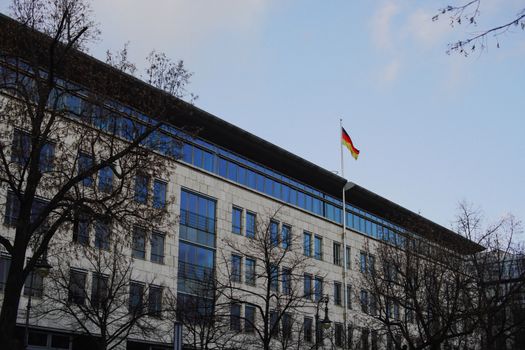 Photo: Cristiano Junior / Pexels
 Photo: Werner Pfennig / Pexels
 Photo: RDNE Stock project / Pexels
 Photo: Yan Krukau / Pexels