Mastering Corporate Event Planning Germany

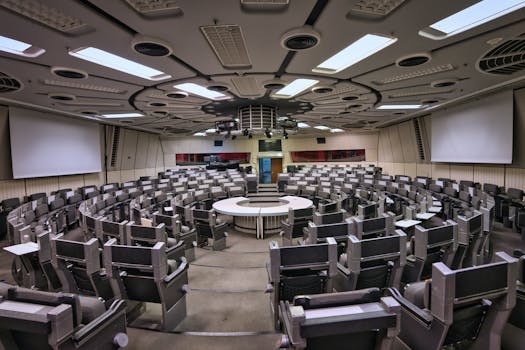
Empty futuristic conference room in Berlin ICC with circular seating and high-tech design.Photo: Travel with Lenses / Pexels

Mastering Corporate Event Planning Germany

Discover the blueprint for executing flawless and impactful corporate events across Germany's vibrant cities and scenic landscapes.

Plan Your German Event

Key Takeaways

  • ✓ Germany is Europe's leading destination for international association meetings (ICCA rankings).
  • ✓ Berlin, Munich, and Frankfurt are major hubs for corporate events, offering world-class venues.
  • ✓ Sustainability is a growing focus in German event planning, with certifications like Green Globe.
  • ✓ Digitalization and hybrid event formats are increasingly integrated into German corporate events.

How It Works

1
Define Your Event Objectives

Clearly articulate what you aim to achieve with your corporate event. This foundational step guides all subsequent decisions, from budget allocation to venue selection and content creation.

2
Strategic German Venue Selection

Identify suitable locations and venues across Germany that align with your event's size, style, and strategic goals. Consider accessibility, capacity, and local appeal to enhance attendee experience.

3
Craft Engaging Content & Agenda

Develop a compelling program that captivates your audience and delivers on your objectives. This includes selecting speakers, workshops, and interactive elements, ensuring cultural relevance for a German audience.

4
Flawless Execution & Post-Event Analysis

Oversee all logistical aspects, from vendor management to on-site coordination. After the event, conduct a thorough analysis to measure success against objectives and gather insights for future improvements.

Navigating the German Corporate Event Landscape

Sleek and modern conference room with minimalist design featuring stylish furniture and indoor plants.Photo: Paul Seling / Pexels
Germany stands as a global powerhouse for corporate events, conferences, and exhibitions, consistently ranking among the top destinations worldwide. Its strategic location in the heart of Europe, coupled with an unparalleled infrastructure, makes it an ideal choice for businesses looking to host impactful gatherings. When embarking on corporate event planning in Germany, it's crucial to understand the unique characteristics that define this market. The German emphasis on efficiency, precision, and quality permeates every aspect of event management, from initial conceptualization to final execution. This commitment to excellence ensures that events hosted here are not only well-organized but also leave a lasting professional impression. One of the primary advantages of choosing Germany is its diverse range of venues. From historic castles transformed into modern conference centers to cutting-edge convention halls in major cities like Berlin, Munich, Frankfurt, and Hamburg, there's a setting for every type of corporate function. These venues often boast state-of-the-art technology, robust connectivity, and flexible spaces that can be tailored to various event formats, including large-scale conventions, intimate executive retreats, product launches, and team-building exercises. Furthermore, Germany's transport network is second to none, with efficient airports, high-speed rail, and extensive road systems making it easy for both domestic and international attendees to reach their destinations. Beyond logistics, the cultural nuances play a significant role. Germans value punctuality, direct communication, and thorough planning. Event organizers must pay meticulous attention to detail, adhere to agreed-upon schedules, and ensure all contractual obligations are met precisely. Incorporating local customs and traditions, where appropriate, can also enhance the attendee experience and demonstrate cultural sensitivity. For instance, understanding typical business dining etiquette or the preference for structured networking over informal mingling can be beneficial. The legal framework for events, including health and safety regulations, data protection (GDPR), and licensing, is stringent and must be navigated carefully. Engaging with experienced local partners or a dedicated corporate event planning Germany agency can provide invaluable expertise in this area, ensuring compliance and smooth operations. These partners often possess established relationships with vendors, deep knowledge of regional specificities, and the ability to troubleshoot unforeseen challenges effectively, making the entire process more streamlined and less stressful for international organizers. Their insights into local supplier networks, from catering to audio-visual companies, can also lead to cost efficiencies and higher quality service delivery. Discover more about corporate event strategies.

Strategic Venue Selection and Logistical Excellence

The success of any corporate event in Germany hinges significantly on strategic venue selection and impeccable logistical execution. Germany offers an unparalleled array of venue options, each with its own charm and capabilities. Major cities like Berlin, with its vibrant history and modern infrastructure, or Munich, known for its Bavarian charm and economic prowess, provide a wealth of choices for conferences, trade shows, and galas. Frankfurt, as a financial hub, offers numerous high-tech convention centers ideal for business summits, while Hamburg's port city atmosphere can inspire unique product launches or team-building events. When selecting a venue, consider not only the capacity and aesthetics but also its accessibility via public transport, proximity to accommodation, and integration of sustainable practices, which are highly valued in Germany. Beyond the primary event space, think about breakout rooms, networking areas, and catering facilities. German venues are renowned for their high standards of service, often providing comprehensive packages that include state-of-the-art AV equipment, reliable Wi-Fi, and professional on-site support. However, it's crucial to specify your exact technical requirements in advance, especially for complex presentations or hybrid event setups. The German approach to logistics is characterized by precision and adherence to schedules. This means meticulous planning for everything from attendee registration and badging to transportation, accommodation blocks, and security protocols. Clear communication with all vendors – caterers, AV technicians, decorators, and security personnel – is paramount to ensure everyone is aligned with the event timeline and expectations. Another critical aspect is accommodation. Germany boasts a wide range of hotels, from luxury five-star establishments to budget-friendly options, catering to diverse attendee needs. Negotiating block bookings well in advance, especially for larger events, is advisable to secure favorable rates and ensure availability. Transportation within Germany is highly efficient. Whether utilizing the Deutsche Bahn (German Rail) network for inter-city travel or local public transport systems within cities, attendees can navigate with ease. For events requiring significant internal transfers, arranging dedicated shuttle services can enhance convenience and punctuality. Finally, consider the often-overlooked element of local support. A strong local team or a professional corporate event planning Germany agency can provide invaluable assistance with on-site coordination, language support, and crisis management, ensuring a smooth and stress-free experience for organizers and attendees alike. Their expertise in local regulations, supplier networks, and cultural sensitivities can be the difference between a good event and an exceptional one.

Crafting Engaging Experiences: Content, Culture, and Technology

Creating an engaging and memorable corporate event in Germany extends far beyond just securing a venue and managing logistics; it involves crafting an experience that resonates with your audience, leveraging local culture, and integrating cutting-edge technology. The content of your event is its core, and in Germany, a focus on substantive, well-researched presentations and interactive discussions is highly appreciated. Speakers should be well-prepared, and sessions should be structured to encourage participation and knowledge sharing. Consider incorporating workshops, masterclasses, or Q&A sessions that allow for deeper engagement and practical takeaways. For international audiences, providing simultaneous translation services can significantly enhance accessibility and understanding, fostering a more inclusive environment. Culturally, understanding the German business ethos is key. While professional, there's also an appreciation for quality and authenticity. Integrating unique German elements can elevate the attendee experience. This could range from offering local culinary specialties during breaks or receptions to arranging cultural excursions for attendees, such as a visit to a historical landmark, a local brewery, or a museum. These experiences not only provide a break from formal sessions but also offer networking opportunities in a relaxed setting and showcase the best of German hospitality. When planning networking, consider structured formats like speed networking or facilitated introductions, as these often work well within the German business context, which values purpose-driven interactions. Technology plays an increasingly vital role in modern corporate event planning in Germany. From advanced AV setups for dynamic presentations to event apps that facilitate networking, agenda management, and real-time polling, technology can significantly enhance engagement. Hybrid events, combining in-person and virtual components, have become a staple, allowing for broader reach and flexibility. Ensure your chosen venue has robust internet infrastructure and that your technical support team is proficient in handling live streaming, virtual platforms, and interactive tools. Data security and privacy (GDPR compliance) are paramount in Germany, so any technological solutions used must adhere to these strict regulations. Furthermore, post-event engagement, through surveys and follow-up resources, is crucial for measuring success and gathering valuable feedback. A well-executed event combines compelling content with thoughtful cultural integration and seamless technological delivery, creating an immersive and productive experience that leaves a lasting positive impression on all participants. Explore innovative event technologies.

Common Pitfalls and Best Practices in German Event Planning

Even with meticulous planning, corporate events in Germany can face challenges. Understanding common pitfalls and adopting best practices can significantly mitigate risks and ensure a smoother execution. One frequent mistake is underestimating the time required for permits and approvals. Germany's regulatory environment is thorough, and obtaining necessary licenses for venues, catering, or specific event activities can take longer than anticipated. Always start this process early. Another pitfall is neglecting cultural nuances; for example, expecting spontaneous networking or overly casual interactions might not align with German business etiquette. Instead, facilitate structured opportunities for connection. Language barriers can also be an issue; while many Germans speak English, providing professional translation services for key presentations or hiring multilingual staff is a best practice, especially for international attendees. Lack of detailed budgeting is another common problem. German suppliers provide high-quality services, but costs can escalate if not managed carefully. Always get detailed quotes, understand what's included, and account for contingency funds (typically 10-15% of the total budget). Over-reliance on a single vendor can also be risky; having backup options for critical services like AV or catering is always wise. Finally, ignoring sustainability can be a misstep. Germany is at the forefront of green initiatives, and incorporating eco-friendly practices – from waste management to local sourcing – is not just good for the environment but also enhances your company's reputation. Best Practices for Success: * **Start Early:** Begin planning well in advance, especially for large-scale events, to secure preferred venues and suppliers. * **Detailed Contracts:** Ensure all contracts with venues and vendors are comprehensive, clearly outlining services, costs, timelines, and cancellation policies. * **Local Partnerships:** Collaborate with an experienced corporate event planning Germany agency or local DMCs (Destination Management Companies) for invaluable local insights and support. * **Punctuality is Key:** Adhere strictly to schedules and timelines. German business culture highly values punctuality. * **Clear Communication:** Maintain open, direct, and frequent communication with all stakeholders, including attendees, speakers, and vendors. * **Contingency Planning:** Develop robust contingency plans for potential issues like technical glitches, speaker cancellations, or unexpected weather. * **Post-Event Follow-up:** Conduct thorough post-event evaluations, gather feedback, and analyze KPIs to measure success and identify areas for improvement. This continuous learning cycle is vital for refining future events.

Comparison

FeatureProfessional Planner (Germany)In-house Team (International)Freelance Planner (Germany)
Local ExpertiseDeep knowledge of regulations, venues, suppliersLimited; relies on external researchGood, but network might be smaller
Vendor RelationshipsEstablished network, preferred ratesNeeds to build from scratchVaried, depends on individual
Time EfficiencyHighly efficient, streamlined processesTime-consuming for internal staffCan be efficient for smaller events
Risk Management✓ Comprehensive, handles emergencies✗ Potential blind spots✓ Good for specific risks
Cost EffectivenessOptimized through negotiation & efficiencyHidden costs, potential overrunsPotentially lower initial cost, but less scope
Cultural Nuance✓ Expert understanding✗ Requires significant research✓ Good understanding

What Our Readers Say

5 ★★★★★

"Our annual corporate summit in Berlin was flawlessly executed by a German event planning team. Their attention to detail and understanding of our complex technical requirements for the hybrid format was truly exceptional. The entire process, from venue selection to post-event analysis, was smooth and highly professional, reflecting the best of corporate event planning Germany."

5 ★★★★★

"We entrusted our European product launch to a German agency, and they exceeded all expectations. Their local vendor network and insights into unique Bavarian venues made our Munich event unforgettable for our international guests. The seamless logistics and cultural integration were outstanding."

5 ★★★★★

"For our incentive trip to the German coast, the event planners crafted an itinerary that perfectly balanced business objectives with unique team-building activities. Employee satisfaction scores post-event were at an all-time high, directly attributing to their meticulous corporate event planning Germany expertise."

4 ★★★★☆

"While the event in Cologne was largely a success, some initial communication regarding AV setups was a bit slow. However, once clarified, the team was incredibly responsive and delivered a high-quality experience. Their ability to adapt on the fly was commendable for a challenging corporate event planning Germany project."

5 ★★★★★

"As a local tech company, we frequently host developer conferences. The expertise of our chosen corporate event planning Germany partner in integrating cutting-edge technology for our virtual attendees, alongside a fantastic in-person experience, has been invaluable. They consistently deliver innovative solutions."

Frequently Asked Questions

What are the key advantages of corporate event planning in Germany?
Germany offers world-class infrastructure, highly professional service providers, a central European location, and a diverse range of unique venues. Its strong economy, focus on innovation, and excellent transportation networks make it a prime destination for successful and impactful corporate gatherings, ensuring high standards for all aspects of your event.
How can I ensure my event complies with German regulations, especially GDPR?
To ensure compliance, it's crucial to partner with local experts or a corporate event planning Germany agency. They are well-versed in German legal frameworks, including data protection regulations (GDPR), health and safety standards, and local permitting requirements. Always have detailed contracts and ensure all data handling processes are transparent and secure.
What are the typical steps involved in planning a corporate event in Germany?
The process typically involves defining objectives, setting a budget, selecting a suitable German city and venue, developing the agenda and content, securing speakers and entertainment, managing logistics (transport, accommodation, catering), marketing the event, on-site coordination, and post-event evaluation and feedback. Engaging a professional planner can streamline these steps.
What is the average cost of corporate event planning in Germany?
The cost varies significantly based on event type, size, venue, duration, and services required. Factors like city (e.g., Munich vs. Leipzig), catering choices, and technology integration all play a role. It's essential to get detailed quotes from multiple vendors and allocate a contingency budget of 10-15% for unforeseen expenses.
How does corporate event planning in Germany compare to other European countries?
Germany stands out for its exceptional efficiency, punctuality, and a strong emphasis on quality and precision. While other European countries offer unique cultural experiences, Germany often provides a more structured and technologically advanced environment, particularly beneficial for large-scale conferences and trade shows. Sustainability is also a more prominent focus here.
Who should consider professional corporate event planning in Germany?
Any company, whether international or domestic, planning a significant corporate event in Germany can benefit from professional planning. This includes businesses organizing conferences, conventions, product launches, incentive trips, executive meetings, or large team-building events, especially if they lack local expertise or internal resources.
What are the safety and security considerations for events in Germany?
Germany has high safety and security standards. Event planners must adhere to strict fire safety regulations, emergency protocols, and crowd management guidelines. Partnering with professional security services and having clear communication plans are vital. Local authorities are proactive in ensuring public safety, especially for large gatherings.
What future trends are impacting corporate event planning in Germany?
Key trends include the continued rise of hybrid events, increased focus on sustainability and green event certifications, integration of AI for personalization and efficiency, immersive technologies like AR/VR for enhanced experiences, and a greater emphasis on attendee well-being and personalized networking opportunities. German planners are quick to adopt these innovations.

Ready to host an unforgettable corporate event in Germany? Leverage expert knowledge and local connections to ensure every detail is perfectly managed. Contact us today to transform your vision into a successful and impactful reality with premier corporate event planning Germany services.

Topics: corporate event planning GermanyGerman business eventsevent management Germanyconference planning Germanyincentive travel Germany