✓ Germany is a leading global destination for corporate events, ranking among the top 3 worldwide.
✓ Berlin, Munich, Frankfurt, and Hamburg are prime hubs for business gatherings.
✓ Sustainability is a growing priority in German event planning, with eco-certified venues and practices.
✓ Compliance with local regulations (e.g., GDPR, GEMA) is crucial for all events.
How It Works
1
Define Objectives & Budget
Clearly articulate your event's goals, target audience, and key performance indicators. Establish a realistic and detailed budget, accounting for all potential costs from venue to contingency.
2
Venue Selection & Logistics
Research and select a venue that aligns with your objectives, capacity, and desired atmosphere. Coordinate all logistical aspects, including catering, A/V, transportation, and accommodation.
3
Content & Engagement
Develop compelling content, speakers, and activities that resonate with your audience. Implement strategies to maximize attendee engagement, such as interactive sessions or networking opportunities.
4
Execution & Post-Event Analysis
Oversee flawless execution on the day of the event, managing all vendors and timelines. Conduct thorough post-event analysis to measure success against objectives and gather feedback for future improvements.
Navigating the German Corporate Event Landscape
Germany stands as a powerhouse in the global corporate event industry, renowned for its excellent infrastructure, strategic central European location, and a deep-rooted culture of precision and efficiency. When embarking on corporate event planning in Germany, it's essential to understand the unique characteristics that set this market apart. The country boasts a diverse array of cities, each offering distinct advantages for different types of events. Berlin, as the capital, is a vibrant hub for innovation and boasts an extensive selection of modern conference centers and historic venues. Munich, with its strong industrial base and proximity to the Alps, is ideal for high-profile conferences and incentive trips that combine business with leisure. Frankfurt, a financial capital, excels in hosting large-scale exhibitions and trade fairs, while Hamburg offers maritime charm and state-of-the-art facilities for international gatherings. Understanding these regional nuances is the first step towards successful event execution. Beyond geography, Germany's commitment to sustainability has permeated the event sector. Many venues are eco-certified, and there's a strong emphasis on reducing waste, sourcing local produce, and utilizing renewable energy. Incorporating sustainable practices into your event not only aligns with local values but can also enhance your company's brand image. Furthermore, the German workforce is highly professional and service-oriented, ensuring a high standard of delivery from vendors and service providers. However, this professionalism often comes with a direct communication style and a strong adherence to agreements and timelines. Early planning and clear communication are paramount to leverage these strengths effectively. The legal framework surrounding events in Germany also requires careful attention. This includes understanding permits, licensing for music (GEMA), data protection regulations (GDPR), and specific health and safety standards. Partnering with local experts or an experienced corporate event planning Germany agency can be invaluable in navigating these complexities. They can provide insights into local customs, supplier networks, and regulatory compliance, ensuring a smooth and legally sound event. Germany's reputation for engineering excellence extends to its event technology, with cutting-edge A/V, connectivity, and digital solutions readily available. This allows for highly interactive and technologically advanced events, from hybrid conferences to immersive brand experiences. The robust public transportation networks in major cities make attendee logistics straightforward, further enhancing Germany's appeal as a top destination for corporate gatherings. Embracing the German approach to meticulous planning and quality execution will set the foundation for a truly impactful corporate event. For more detailed insights into general corporate event strategies, explore our guide on effective corporate event management. The blend of efficiency, innovation, and diverse cultural offerings makes Germany an unparalleled choice for any business looking to host a memorable and successful event.
Venue Selection and Logistical Excellence in German Events
Choosing the right venue is arguably the most critical decision in corporate event planning Germany. Germany offers an unparalleled spectrum of venues, from historical castles and grand ballrooms to ultra-modern convention centers and unique industrial spaces. The key is to match the venue's character and capabilities with your event's objectives and brand identity. For large-scale conferences or trade shows, cities like Frankfurt and Hanover boast massive exhibition grounds and convention centers equipped with the latest technology. For more intimate leadership retreats or incentive programs, the scenic Rhine Valley or the Bavarian Alps offer charming, high-end boutique hotels and specialized venues that provide a unique backdrop. When evaluating venues, consider not just capacity and aesthetics, but also accessibility, technical infrastructure, and catering options. Many German venues offer comprehensive packages, but it's crucial to scrutinize what's included and what might incur additional costs. Connectivity is also paramount; ensure the venue provides robust Wi-Fi, sufficient power outlets, and modern audiovisual equipment that can support your presentations and interactive elements. Logistical excellence is a hallmark of German event execution. This extends to transportation, accommodation, and on-site management. Germany's extensive and efficient public transport system (trains, trams, buses) makes it easy for attendees to navigate cities. For international guests, major airports like Frankfurt (FRA), Munich (MUC), and Berlin (BER) offer excellent global connections. When booking accommodation, consider options close to the venue or with easy transport links. Many hotels offer corporate rates or block booking discounts, especially for larger events. Effective on-site logistics involve meticulous planning of attendee flow, registration, signage, and emergency protocols. German regulations for health and safety are stringent, and venues are typically well-versed in these requirements. However, it's the planner's responsibility to ensure all aspects of the event comply. Catering is another area where Germany shines, with a focus on fresh, regional, and high-quality ingredients. Whether you need a formal gala dinner, a casual buffet, or sustainable coffee breaks, German caterers offer diverse options to suit all dietary requirements and preferences. Don't overlook the importance of clear communication with all vendors – from the venue manager to the A/V technicians and caterers. A detailed run-of-show document and regular check-ins are standard practice and contribute significantly to a seamless event. By focusing on these logistical details, you can ensure that your corporate event in Germany runs like a well-oiled machine, leaving a lasting positive impression on all participants.
Compliance, Culture, and Creating Engaging Experiences
Successfully executing corporate event planning in Germany goes beyond just logistics and venue selection; it deeply involves understanding and adhering to local compliance and cultural nuances, while simultaneously crafting truly engaging experiences. Compliance is non-negotiable in Germany. This includes familiarizing yourself with data protection regulations, most notably GDPR, which dictates how attendee data is collected, stored, and used. Neglecting these can lead to significant penalties. Music licensing through GEMA (Gesellschaft für musikalische Aufführungs- und mechanische Vervielfältigungsrechte) is another critical aspect if any copyrighted music will be played. Permits for public gatherings, especially outdoors or for events with specific noise levels, must be secured well in advance. Alcohol licensing and food safety standards are also strictly enforced. Partnering with a local event planner or legal counsel can help navigate this complex landscape, ensuring your event is fully compliant. Culturally, punctuality is highly valued in Germany. Adhering to schedules and starting meetings on time is expected. Communication tends to be direct and precise, so clear agendas, explicit instructions, and detailed contracts are appreciated. While business is serious, Germans also appreciate good hospitality and networking opportunities. Integrating elements that foster genuine connection can significantly enhance the event experience. Creating an engaging experience requires thoughtful content and innovative delivery. Beyond traditional presentations, consider incorporating interactive workshops, moderated panel discussions, or technology-driven experiences like virtual reality demos or interactive kiosks. German audiences often appreciate substance and intellectual stimulation. Therefore, selecting high-caliber speakers and ensuring the content is relevant and insightful is paramount. Leveraging Germany's technological prowess, consider hybrid event formats that allow for both in-person and remote participation, broadening your reach and accessibility. This is especially relevant in a post-pandemic world where flexibility is key. Storytelling and brand immersion can also transform a standard event into a memorable one. Think about how your event can tell your company's story or reinforce its values through design, activities, and messaging. For instance, if sustainability is a core value, showcase it through eco-friendly catering, sustainable venue choices, and waste reduction efforts. Providing ample networking opportunities, whether through structured sessions or informal breaks, is crucial for fostering connections among attendees. Consider using event apps to facilitate networking, scheduling, and information sharing. Lastly, always plan for a strong call to action or a clear takeaway for attendees. What should they remember, or what should they do after the event? A well-defined post-event strategy, including surveys and follow-up communications, helps solidify the impact and gather valuable feedback for future improvements. For more on maximizing attendee interaction, refer to our article on innovative engagement strategies for corporate events. By meticulously addressing compliance, embracing cultural norms, and focusing on creating meaningful interactions, your corporate event in Germany will not only meet expectations but exceed them, leaving a lasting positive impression.
Essential Tips and Common Pitfalls in German Event Planning
To ensure your corporate event in Germany is a resounding success, here are some essential tips and common pitfalls to avoid:
**Essential Tips for Success:**
* **Start Early:** German planning culture values foresight. Venues, top-tier suppliers, and popular dates book up quickly, often 12-18 months in advance for larger events. Early booking often secures better rates and availability.
* **Embrace Local Expertise:** Partnering with a local German event agency or consultant is invaluable. They possess an intimate understanding of local regulations, supplier networks, cultural nuances, and language barriers, saving you time and potential headaches.
* **Master the Language (or Hire Translators):** While many Germans speak English, official documents, contracts, and some local interactions will be in German. Professional translators for key presentations or interpreters for international guests are highly recommended.
* **Budget for Contingencies:** Always allocate 10-15% of your budget for unforeseen circumstances. German efficiency minimizes surprises, but they can still occur (e.g., unexpected permit fees, last-minute A/V needs).
* **Prioritize Sustainability:** Germany is at the forefront of green initiatives. Incorporate sustainable practices into your event planning, from eco-friendly catering to minimizing waste and choosing certified venues. This resonates well with local values and enhances your brand image.
* **Respect Punctuality:** German business culture places a high value on timeliness. Ensure your event schedule is meticulously planned and adhered to, and communicate any delays immediately.
**Common Pitfalls to Avoid:**
* **Underestimating Bureaucracy:** Germany has a reputation for bureaucracy, and event permits, licenses (like GEMA for music), and safety regulations require thorough and timely processing. Don't assume quick approvals.
* **Ignoring GDPR:** The General Data Protection Regulation (GDPR) is strictly enforced. Ensure all data collection, storage, and usage for your event comply fully to avoid hefty fines.
* **Last-Minute Planning:** This is perhaps the biggest mistake. German suppliers and venues operate on a longer lead time. Expecting quick turnarounds for complex requests will likely lead to disappointment or inflated costs.
* **Overlooking Cultural Nuances:** While direct, German communication is also formal in business settings. Avoid overly casual approaches, and ensure clear, unambiguous instructions.
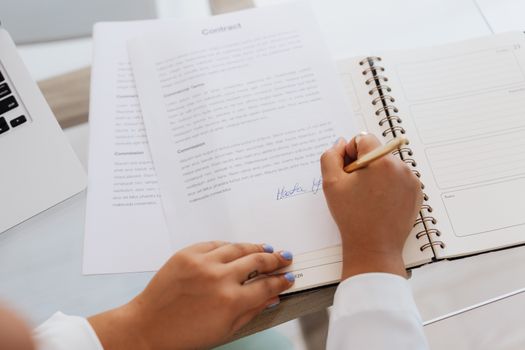
* **Neglecting Contract Details:** Read all contracts meticulously. German contracts are legally binding and comprehensive. Ensure you understand all terms, conditions, and cancellation policies before signing.
* **Assuming English is Sufficient for All Interactions:** While many professionals speak English, particularly in major cities, relying solely on it for all vendor communications or technical discussions can lead to misunderstandings. Professional translation for critical documents or an interpreter for key meetings is a wise investment.
By keeping these tips in mind and actively avoiding common pitfalls, you can significantly increase the likelihood of a successful, stress-free, and impactful corporate event in Germany. Proactive planning and respect for local customs will be your greatest assets.
Comparison
Feature
Professional Planner
In-House Team (DIY)
Hybrid Approach
Local Expertise
Excellent (networked)
Limited (research needed)
Good (local consultant)
Time Savings
High
Low
Moderate
Cost Efficiency
Potentially higher upfront, but avoids costly mistakes
Lower upfront, but higher risk of hidden costs
Balanced
Compliance & Regulations
✓ (specialized knowledge)
✗ (requires extensive research)
✓ (guided by expert)
Vendor Network
Extensive (vetted suppliers)
Limited (requires sourcing)
Access to curated list
Stress Level
Low
High
Moderate
What Readers Say
★★★★★
"Our annual corporate summit in Berlin was flawlessly executed thanks to expert corporate event planning Germany. Every detail, from the venue selection to the catering and tech support, exceeded our expectations, leading to rave reviews from attendees."
Dr. Anja Schmidt · Munich, Germany
★★★★★
"Navigating German regulations for our product launch seemed daunting, but our event planner made it seamless. Their local knowledge was invaluable, ensuring full compliance and a truly successful international event."
Mark Jenkins · London, UK
★★★★★
"We saw a 30% increase in lead generation at our Frankfurt trade fair thanks to the strategic and engaging setup provided. The team's understanding of corporate event planning Germany delivered tangible business results."
Sophie Dubois · Paris, France
★★★★★
"The event was very well organized, though communication sometimes felt a bit formal for our style. However, the efficiency and quality of service for our Hamburg conference were undeniable, and all objectives were met."
Chen Li · Shanghai, China
★★★★★
"As a first-time organizer in Germany, I was apprehensive. The corporate event planning Germany team provided comprehensive support, from budget management to post-event analysis, making our incentive trip to Bavaria a memorable success for our top performers."
David Miller · New York, USA
Frequently Asked Questions
What are the key advantages of hosting a corporate event in Germany?
Germany offers exceptional infrastructure, world-class venues, a central European location, and a reputation for efficiency and quality service. Its diverse cities cater to various event types, and the strong emphasis on sustainability adds further appeal for modern businesses.
Is it difficult to manage legal compliance for events in Germany?
While German regulations (like GDPR and GEMA) are stringent, they are also clearly defined. Working with experienced local event planners or legal counsel can simplify compliance, ensuring all necessary permits and licenses are secured without issues.
How far in advance should I start planning a corporate event in Germany?
For larger or more complex corporate events, it is highly recommended to start planning 12-18 months in advance. This allows ample time for venue selection, vendor booking, permit acquisition, and detailed logistical arrangements, especially for popular dates.
What is the typical cost breakdown for corporate event planning in Germany?
Costs vary significantly based on event type, size, and duration. Major components include venue rental (20-30%), catering (20-30%), A/V and technology (10-15%), entertainment/speakers (5-10%), marketing/promotion (5-10%), and staffing/management (10-15%). Always budget an additional 10-15% for contingencies.
How does corporate event planning in Germany compare to other European countries?
Germany stands out for its unmatched efficiency, punctuality, and robust infrastructure. While other countries might offer more relaxed approaches, Germany excels in precision, technological advancement, and a strong focus on sustainability, making it ideal for high-stakes corporate gatherings.
Who benefits most from professional corporate event planning in Germany?
Companies hosting large-scale conferences, international conventions, complex incentive trips, or those unfamiliar with German regulations and cultural nuances benefit most. Professional planners bring invaluable local expertise, vendor networks, and ensure legal compliance, reducing stress and maximizing event impact.
What are the main risks associated with DIY corporate event planning in Germany?
DIY planning risks include non-compliance with local laws (GDPR, GEMA), unexpected costs due to lack of local vendor knowledge, language barriers, logistical mishaps, and significant time investment. These can lead to a less professional event and potential legal or financial penalties.
What are the emerging trends in corporate event planning Germany?
Key trends include a strong focus on sustainability and green events, increased adoption of hybrid and virtual event formats, personalized attendee experiences, integration of advanced event technology (AI, AR/VR), and a greater emphasis on wellness and mindfulness within event programs.
Ready to host an impactful and impeccably organized business gathering? Partner with experts in corporate event planning Germany to transform your vision into a flawless reality. Contact us today for a consultation and let's craft an unforgettable experience together.