Unlocking the Benefits of Corporate Volunteering DE
benefits of corporate volunteering DE

Unlocking the Benefits of Corporate Volunteering DE

Explore how strategic corporate volunteering in Germany can transform your company culture, boost brand reputation, and create lasting societal impact.

Discover Your Impact

Key Takeaways

  • ✓ Over 70% of German companies engage in some form of CSR, including volunteering.
  • ✓ Employee engagement increases by up to 13% through well-structured volunteering programs.
  • ✓ Corporate volunteering enhances a company's brand image and attracts top talent.
  • ✓ Programs often focus on environmental protection, social welfare, or education in Germany.

How It Works

1
Identify Core Values & Goals

Define what your company stands for and what societal issues align with its mission. This ensures volunteering efforts are authentic and impactful.

2
Partner with Local Non-Profits

Collaborate with established German charities and organizations. Their expertise ensures effective project execution and addresses genuine community needs.

3
Engage Employees & Plan Logistics

Involve employees in selecting projects and provide clear communication, time off, and resources. Logistics like transportation and materials are crucial for success.

4
Measure Impact & Communicate Success

Track the tangible outcomes of your volunteering efforts and share these stories internally and externally. This reinforces positive impact and encourages future participation.

Elevating Employee Engagement and Retention through Corporate Volunteering in Germany
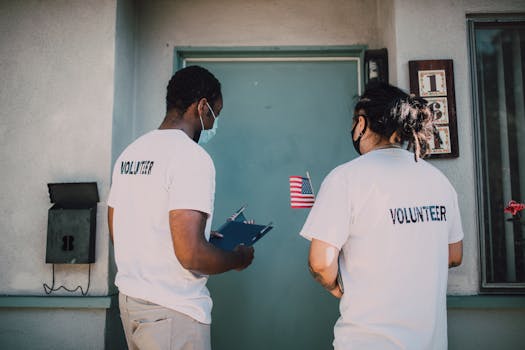
Two volunteers wear masks and visit community homes, engaging in outreach activities. Photo: RDNE Stock project / Pexels
In today's competitive German job market, companies are constantly seeking innovative ways to attract, retain, and motivate their workforce. The benefits of corporate volunteering DE extend far beyond mere philanthropy; they are powerful tools for human resource development and employee satisfaction. When employees are given the opportunity to contribute to a cause they care about, especially within company time and with company support, it fosters a profound sense of purpose and belonging. This intrinsic motivation translates directly into higher job satisfaction and loyalty. Studies consistently show that employees who participate in corporate volunteering programs report higher levels of engagement, feel more connected to their employers, and are less likely to seek opportunities elsewhere. In Germany, where work-life balance and social responsibility are highly valued, offering structured volunteering opportunities can significantly differentiate an employer. It demonstrates that the company cares not only about its bottom line but also about its employees' personal growth and the well-being of the wider community. This shared experience of giving back builds stronger team bonds and improves internal communication. Employees from different departments and hierarchical levels often work side-by-side on volunteering projects, breaking down silos and fostering a more collaborative work environment. This cross-functional interaction can lead to unexpected innovations and a deeper understanding of colleagues' skills and perspectives. Furthermore, corporate volunteering acts as a powerful training ground for soft skills. Participants often develop leadership, problem-solving, teamwork, and communication skills in real-world, dynamic settings that traditional training programs might struggle to replicate. These are invaluable assets for any German business navigating a rapidly changing economic landscape. For younger generations entering the workforce, particularly Millennials and Gen Z, a company's commitment to social responsibility is often a deciding factor in their career choices. They are not just looking for a paycheck; they want to work for organizations that align with their values and make a positive impact. By actively promoting and facilitating corporate volunteering, German companies can position themselves as attractive employers for top talent, ensuring a sustainable and engaged workforce for the future. The positive emotional experience of helping others also contributes to employee well-being, reducing stress and fostering a more positive workplace atmosphere. This holistic approach to employee welfare is a cornerstone of modern German corporate culture, making corporate volunteering an indispensable element of a comprehensive HR strategy. It's an investment that pays dividends not only in terms of retention and engagement but also in the overall health and productivity of the workforce, creating a virtuous cycle of positive impact for both the company and society at large.

Enhancing Brand Reputation and Customer Loyalty in the German Market

Lotus dealership exterior in urban Tianjin, China with bold signage. Photo: Felix Maltz / Pexels
In an increasingly transparent and socially conscious market, a company's reputation is as vital as its products or services. The benefits of corporate volunteering DE play a crucial role in building and maintaining a positive brand image and fostering deep customer loyalty. German consumers, renowned for their discerning nature and ethical considerations, are increasingly choosing to support businesses that demonstrate a genuine commitment to social and environmental responsibility. When a company actively engages in corporate volunteering, it sends a clear message to its customers, partners, and the public: 'We care.' This authenticity resonates deeply with consumers, differentiating the brand from competitors and building trust. Public perception of a company improves significantly when it is seen contributing positively to society. This isn't just about avoiding negative press; it's about proactively cultivating goodwill. News stories, social media posts, and word-of-mouth about a company's volunteering efforts can generate invaluable positive publicity that money simply cannot buy. This organic promotion not only expands brand reach but also enhances its credibility and trustworthiness. For German businesses, particularly those operating in highly regulated or consumer-facing industries, a strong commitment to CSR, exemplified by corporate volunteering, can be a significant competitive advantage. It can influence purchasing decisions, attract new customers, and even allow for premium pricing as consumers are often willing to pay more for products or services from socially responsible companies. Beyond direct customer impact, corporate volunteering strengthens relationships with stakeholders. Local communities appreciate the direct contributions, government bodies look favorably upon socially active businesses, and business partners are more likely to collaborate with reputable, ethical entities. These relationships form a robust network of support that can be invaluable during challenging times or when seeking new opportunities. Moreover, a strong CSR profile, underpinned by volunteering, can also serve as a powerful recruitment tool. As discussed, top talent is drawn to purpose-driven organizations, and this translates into a more skilled and dedicated workforce, further enhancing the company's ability to deliver high-quality products and services. The stories generated by corporate volunteering – the real-life impact on individuals, communities, or the environment – provide compelling content for marketing and public relations. These narratives are far more engaging and memorable than traditional advertising, creating an emotional connection with the audience. By showcasing how employees are making a tangible difference, German companies can build a brand that is not just recognized, but respected and admired, leading to sustained growth and enduring customer loyalty in a market that values integrity and contribution.

Driving Innovation and Skill Development through Community Engagement

Business professionals engage in a team meeting with a whiteboard presentation in a modern office. Photo: Pavel Danilyuk / Pexels
The strategic implementation of corporate volunteering programs in Germany offers a surprising yet profound avenue for fostering innovation and accelerating skill development within a company. While the immediate focus might be on community impact, the secondary benefits of corporate volunteering DE for internal capabilities are immense and often underestimated. When employees step outside their usual roles and comfort zones to tackle real-world problems in a community setting, they are forced to think creatively, adapt to new challenges, and apply their skills in novel ways. A software engineer might find themselves teaching basic coding to underprivileged youth, requiring them to simplify complex concepts and develop patience and empathy. A marketing specialist might be tasked with organizing a community event, honing their project management, negotiation, and communication skills in a very different context than their daily work. These experiences break routine thinking patterns and encourage employees to develop 'outside-the-box' solutions, which can then be brought back and applied to business challenges. The exposure to diverse perspectives and socio-economic realities often sparks new ideas for products, services, or operational efficiencies that might have been overlooked within the confines of the corporate office. For instance, understanding the needs of a disadvantaged community might inspire a company to develop more inclusive or accessible products. Furthermore, corporate volunteering often involves working with limited resources, forcing teams to be resourceful and innovative in their approach. This 'bootstrapping' mentality, learned in a volunteering context, is invaluable for fostering agility and resilience within the corporate environment. It teaches employees to make the most of what they have and to find creative solutions under pressure – skills that are highly prized in any competitive industry. The collaborative nature of many volunteering projects also enhances teamwork and leadership skills. Employees often take on leadership roles they might not yet have in their regular jobs, gaining experience in motivating teams, delegating tasks, and managing projects from inception to completion. These practical experiences build confidence and competence, preparing them for greater responsibilities within the company. Moreover, volunteering provides an informal platform for employees to discover hidden talents and strengths, both in themselves and their colleagues. This self-discovery and peer recognition can be incredibly empowering, leading to increased job satisfaction and a more engaged workforce. By actively encouraging participation in diverse volunteering activities, German companies can cultivate a culture of continuous learning, adaptability, and innovation. They are not just giving back to the community; they are investing in the intellectual capital and future readiness of their own organization, driving progress and maintaining a competitive edge in the dynamic German and global markets.

Navigating Challenges and Maximizing Impact: Tips for Corporate Volunteering in Germany
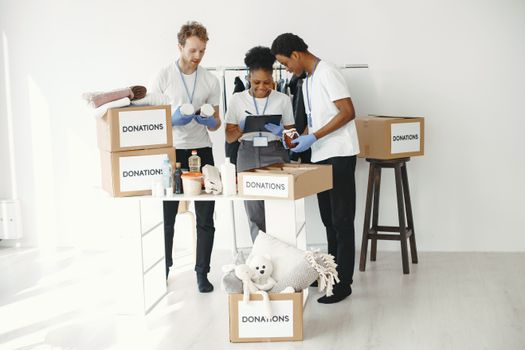
Three volunteers organize donation boxes filled with essentials in a bright indoor setting. Photo: Gustavo Fring / Pexels
While the benefits of corporate volunteering in Germany are undeniable, successful implementation requires careful planning and a strategic approach. Avoiding common pitfalls and adopting best practices can significantly amplify the positive impact for all stakeholders. Here are key tips and common mistakes to avoid: **Tips for Maximizing Impact:** * **Align with Business Strategy:** Ensure volunteering initiatives are not standalone activities but are integrated with your company's overall CSR and business objectives. This creates synergy and reinforces brand values. * **Employee-Led Initiatives:** Empower employees to choose causes they are passionate about or even propose projects. This increases engagement and ensures genuine commitment. Offer a range of options to cater to diverse interests. * **Long-Term Partnerships:** Instead of one-off events, focus on building sustained relationships with a few local non-profits. This allows for deeper impact, better resource allocation, and measurable outcomes. * **Skill-Based Volunteering (Pro Bono):** Leverage your employees' professional skills (e.g., marketing, IT, finance, legal) to assist non-profits. This provides high-value support to organizations that often lack these resources and offers unique development opportunities for your staff. * **Clear Communication and Recognition:** Clearly communicate the purpose, goals, and impact of volunteering programs to all employees. Publicly recognize and celebrate employee contributions to foster a culture of giving. * **Measure and Report Impact:** Establish metrics to track the social, environmental, and business impact of your volunteering efforts. Share these results internally and externally to demonstrate accountability and inspire further participation. * **Provide Adequate Support:** Offer paid time off for volunteering, cover any associated costs (transport, materials), and provide necessary training or briefings to ensure employees are well-prepared and feel supported. **Common Mistakes to Avoid:** * **Tokenism:** Avoid superficial, one-time events that lack genuine impact or long-term commitment. German stakeholders value authenticity and sustained effort. * **Lack of Employee Choice:** Forcing employees into specific volunteering activities can lead to disengagement and resentment. Offer choices and listen to their preferences. * **Poor Planning and Logistics:** Disorganized events can be frustrating for employees and non-profits alike. Ensure clear roles, responsibilities, and logistical support are in place. * **Ignoring Feedback:** Fail to solicit feedback from both employees and partner organizations. Continuous improvement is essential for the program's success and relevance. * **Over-Promising and Under-Delivering:** Be realistic about what your company can achieve. It's better to commit to a smaller, impactful project than to overextend and fall short. * **Lack of Integration:** Treating volunteering as an isolated HR initiative rather than a core part of your corporate identity. Integrate it into company culture, values, and internal communications. * **Not Communicating Success:** Failing to share the positive stories and outcomes of your volunteering efforts means missing out on crucial opportunities to build morale, reinforce brand values, and inspire others. Regular internal and external communication is key to showcasing the true value and diverse benefits of corporate volunteering DE.

Comparison

FeatureCorporate VolunteeringTraditional CSR DonationsInternal Team Building
Employee EngagementHigh (active participation)Low (passive involvement)High (active participation)
Skill DevelopmentHigh (practical application)Low (no direct application)Medium (context-specific)
Brand ReputationVery High (visible, authentic)Medium (less personal)Low (internal focus)
Community ImpactHigh (direct, hands-on)Medium (financial support)Low (no direct community focus)
Team CohesionVery High (shared purpose)Low (individual donations)High (shared activities)
Cost EfficiencyVariable (time + resources)Direct financial outlayVariable (event costs)
Publicity PotentialHigh (story-driven, authentic)Medium (press releases)Low (internal news)

What Readers Say

"Our company's corporate volunteering program in Berlin has transformed our team. Employees feel more connected to each other and our mission, and the positive impact on local initiatives is truly inspiring. It's a win-win for everyone involved, especially for the benefits of corporate volunteering DE."

Dr. Lena Schmidt · Berlin, Germany

"As an employee, participating in our company's volunteering days has been incredibly rewarding. It's not just about helping; it's about seeing my company's values in action. This commitment to social responsibility is one of the main benefits of corporate volunteering DE and why I'm proud to work here."

Jürgen Müller · Munich, Germany

"Since implementing a structured corporate volunteering program, we've seen a noticeable increase in employee retention and job satisfaction. Our brand image has also significantly improved, attracting top talent and new clients who value our commitment to the community. This clearly demonstrates the benefits of corporate volunteering DE."

Anja Fischer · Hamburg, Germany

"Our initial steps into corporate volunteering were a bit challenging logistically, but the positive feedback from our team and the community has been overwhelming. It's a learning curve, but the benefits in terms of team morale and public perception are definitely worth the effort. The benefits of corporate volunteering DE are becoming clear."

Thomas Brandt · Frankfurt, Germany

"The pro bono legal services we offer through our corporate volunteering initiative have made a tangible difference for several local charities. It's a fantastic way for our legal team to use their specialized skills for good, and it has undeniably strengthened our company's reputation as a responsible corporate citizen. This is a prime example of the benefits of corporate volunteering DE."

Sabine Weber · Cologne, Germany

Frequently Asked Questions

What are the primary benefits of corporate volunteering in Germany for businesses?

The primary benefits include enhanced employee engagement and retention, improved brand reputation and customer loyalty, accelerated skill development, and fostering a positive company culture. It also acts as a powerful CSR tool, demonstrating genuine commitment to societal well-being in the German market.

Is corporate volunteering in Germany expensive to implement?

While there are certainly costs involved (e.g., employee time, logistics, materials), corporate volunteering can be highly cost-effective when compared to its benefits. The return on investment in terms of employee morale, brand value, and talent attraction often far outweighs the direct expenses. Strategic planning can also optimize resource allocation.

How can German companies get started with a corporate volunteering program?

Begin by identifying your company's values and potential community needs. Research and partner with established local non-profits in Germany that align with your goals. Involve employees in the planning process, provide clear guidelines and support, and start with a pilot project to learn and refine your approach.

Does corporate volunteering really improve employee skills?

Absolutely. Employees often encounter new challenges in volunteering settings that require them to develop leadership, problem-solving, teamwork, communication, and adaptability skills. These experiences provide practical learning opportunities that complement traditional training and can be directly applied back in the workplace.

How does corporate volunteering differ from traditional CSR in Germany?

Traditional CSR often involves financial donations or sponsorships. Corporate volunteering goes a step further by engaging employees directly in hands-on activities, leveraging their time and skills. This active participation creates a more personal connection, deeper impact, and greater benefits for both the company and the community than passive financial contributions.

Which types of companies in Germany benefit most from corporate volunteering?

Companies of all sizes and industries can benefit. However, those in competitive talent markets, consumer-facing industries, or those with a strong focus on innovation and employee development often see the most pronounced advantages. Any company looking to enhance its brand, engage its workforce, and contribute to society will find value.

Are there any risks associated with corporate volunteering programs?

Potential risks include poor planning, lack of employee engagement if not executed well, or choosing inappropriate partners. However, these risks can be mitigated with thorough planning, clear communication, robust partnerships, and a commitment to employee involvement. Ensuring proper insurance and safety protocols is also crucial.

What is the future trend for corporate volunteering in Germany?

The trend in Germany is towards more strategic, skill-based volunteering, deeper partnerships with non-profits, and greater integration with overall business objectives. Companies are increasingly recognizing it as a key component of sustainable business practices and a vital tool for talent management and brand building in the long term.

Ready to unlock the full potential of your workforce and elevate your brand? Explore the multifaceted benefits of corporate volunteering DE and start making a tangible difference today. Connect with us to design a program that aligns with your company's vision and creates lasting positive impact.

Topics: benefits of corporate volunteering DECSR Germanyemployee engagement Germanycorporate social responsibilityvolunteering programs DE
Leo List
Brampton weed
Adultwork